The Emerald Tapestry and Golden Spheres: A Complete Guide to Coriander’s Health Benefits (Seeds and Leaves!)
From the verdant burst of fresh cilantro on a vibrant salsa to the warm, citrusy whisper of ground coriander seeds in a fragrant curry, this remarkable plant, Coriandrum sativum, has woven itself into the culinary and medicinal traditions of humanity for millennia. Yet, for many, coriander remains a mere garnish or a background spice, its profound health benefits an untold story hidden beneath its humble exterior.
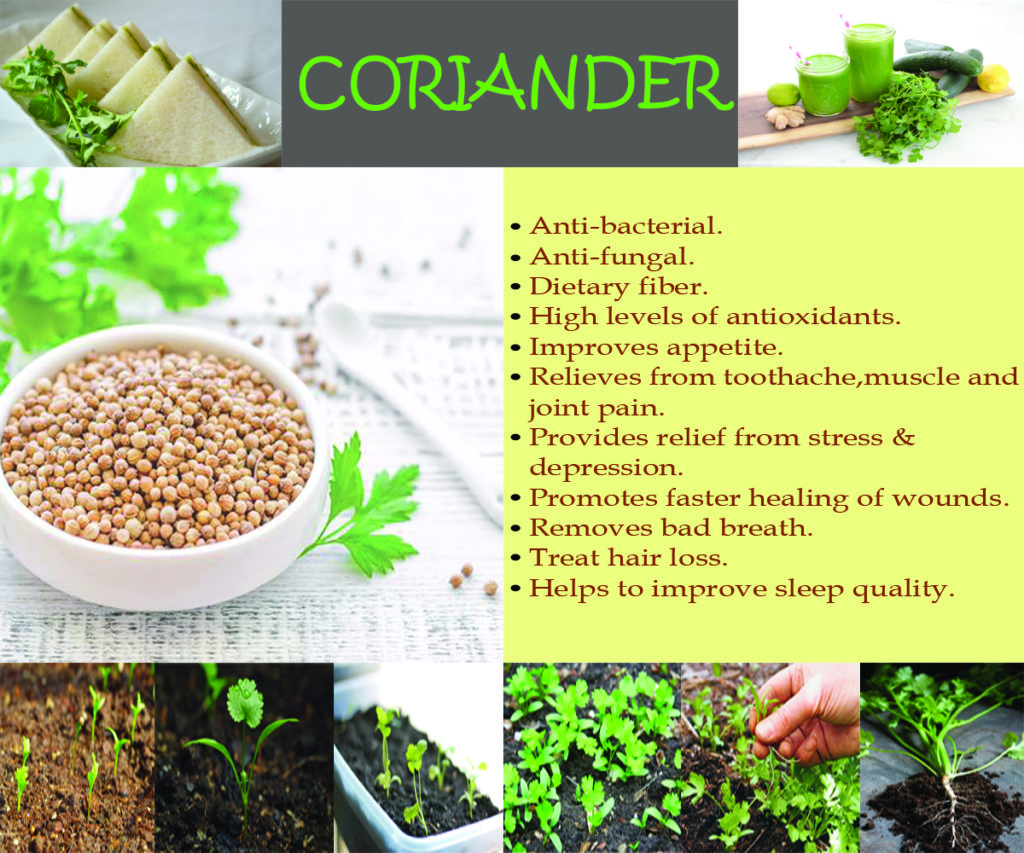
Our journey into the world of coriander is not just a recitation of facts; it is an exploration of ancient wisdom meeting modern science, a narrative of discovery that reveals why this plant, in its distinct forms of leaf and seed, is a powerhouse of therapeutic potential. Prepare to delve deep into the emerald tapestry of cilantro and the golden spheres of coriander seeds, understanding their unique chemical compositions, their diverse mechanisms of action, and their synergistic power in promoting human health.
The Ancestral Whisper: Coriander’s Storied Past
Before we dissect its chemistry, let us acknowledge the lineage of Coriandrum sativum. Its history is etched in the scrolls of antiquity, a testament to its enduring value. Archaeological evidence places its use as far back as 8,000 years ago in Israel, and residues have been found in the tomb of Tutankhamun. The ancient Egyptians revered it, not just for its culinary applications but also for its medicinal properties, including digestive aid and preservative qualities. The Romans introduced it to Europe, utilizing its seeds to preserve meat and flavor bread. Hippocrates, the father of medicine, prescribed it for various ailments.
This rich history is more than anecdotal; it provides a powerful context. When a plant has been consistently recognized and utilized across diverse cultures and epochs for its health-promoting attributes, it signals an inherent efficacy that modern science is now meticulously uncovering. This enduring presence in human diet and medicine is the first chapter in coriander’s compelling story.
Two Sides of a Botanical Coin: Differentiating Leaves and Seeds
One of the most critical aspects of understanding coriander’s health benefits lies in recognizing the distinct profiles of its leaves (cilantro) and its seeds. While they hail from the same plant, their chemical compositions, flavor profiles, and primary therapeutic applications diverge significantly. This differentiation is not merely academic; it’s fundamental to harnessing their full potential.
Coriander Leaves (Cilantro): The Fresh, Pungent Powerhouse
Known as cilantro in the Americas, and often simply "coriander" in many other parts of the world when referring to the fresh herb, the leaves are characterized by a bright, citrusy, and sometimes polarizing flavor. For some, it’s a refreshing burst; for others, a soapy affront. This unique taste is a direct result of its volatile organic compounds, particularly aldehydes.
Coriander Seeds: The Warm, Citrusy, Earthy Spice
The dried fruits of the coriander plant, the seeds, offer a dramatically different sensory experience. They are warm, nutty, sweet, and possess subtle citrus and peppery notes. Their aroma is distinct from the leaves, largely due to a different array of volatile oils, primarily linalool. The seeds are typically used whole, crushed, or ground into a powder.
This fundamental difference in chemical makeup translates directly into a divergence in their primary health benefits, though some overlap exists, particularly concerning antioxidant and anti-inflammatory properties.
The Emerald Elixir: Unpacking the Health Benefits of Coriander Leaves (Cilantro)
Cilantro, the vibrant green herald of fresh cuisine, is far more than a mere garnish. Its robust phytochemical profile makes it a potent natural remedy, particularly renowned for its detoxifying and antioxidant capabilities.
1. The Heavy Metal Detoxifier: A Chelating Champion
Perhaps cilantro’s most celebrated and extensively researched benefit is its remarkable ability to aid in the detoxification of heavy metals. In an increasingly industrialized world, exposure to heavy metals like lead, mercury, aluminum, and cadmium is a growing concern. These metals can accumulate in tissues, leading to a host of neurological, developmental, and systemic health issues.
Cilantro acts as a natural chelating agent. Its compounds, particularly certain organic acids and active phytochemicals, are believed to bind to heavy metal ions, forming complexes that can then be more easily excreted from the body through urine and feces. This process, known as chelation, effectively "removes" the metals from tissues where they can cause damage. Studies have indicated its potential in reducing lead accumulation and enhancing the excretion of mercury and aluminum. For individuals concerned about environmental toxin exposure, incorporating fresh cilantro regularly can be a proactive dietary strategy.
2. Potent Antioxidant Protection: Battling Oxidative Stress
Like many vibrant green leafy herbs, cilantro is an excellent source of antioxidants. These include a variety of polyphenols, flavonoids (such as quercetin, kaempferol, and rhamnetin), and phenolic acids. Antioxidants are crucial for neutralizing free radicals, unstable molecules that cause oxidative stress, leading to cellular damage, accelerated aging, and the development of chronic diseases like cancer, heart disease, and neurodegenerative disorders.
The antioxidant power of cilantro helps to protect cellular integrity, reduce inflammation, and support overall cellular health. Its high vitamin K content also contributes to its antioxidant and anti-inflammatory effects, playing a role in regulating inflammatory responses.
3. Anti-inflammatory Properties: Soothing the Internal Fire
Chronic inflammation is a silent epidemic, underlying nearly all chronic diseases. Cilantro possesses significant anti-inflammatory compounds that can help to modulate the body’s inflammatory pathways. Its array of phytonutrients works synergistically to reduce the production of pro-inflammatory cytokines and enzymes, offering a natural approach to mitigating inflammation throughout the body. This makes it a valuable addition for individuals dealing with inflammatory conditions like arthritis, irritable bowel syndrome (IBS), or even general aches and pains.
4. Antimicrobial and Antibacterial Prowess: A Natural Defense
Cilantro has been traditionally used for its antimicrobial properties, and modern science is confirming this ancient wisdom. One of its most active compounds, dodecenal, has shown remarkable antibacterial activity, particularly against Salmonella, a common cause of foodborne illness. Dodecenal is believed to disrupt the cell membranes of bacteria, effectively killing them.
Beyond Salmonella, cilantro extracts have demonstrated inhibitory effects against other harmful bacteria and fungi. This natural antimicrobial action can contribute to food safety when cilantro is used in culinary preparations, and potentially support gut health by helping to balance the microbiome.
5. Digestive Support: A Gentle Aid
While coriander seeds are more renowned for digestive benefits, the leaves also contribute. Their volatile oils can help stimulate digestive enzymes, promote healthy peristalsis, and alleviate mild indigestion. They can also help reduce bloating and gas, particularly when consumed with heavy meals.
6. Blood Sugar Regulation: Aiding Metabolic Health
Emerging research suggests that cilantro leaves may play a role in blood sugar management. Some studies indicate that extracts can help lower blood glucose levels by stimulating insulin secretion and enhancing glucose uptake in cells. While more research is needed, this potential makes cilantro a promising adjunct for individuals managing diabetes or seeking to maintain healthy blood sugar levels.
7. Neuroprotective Potential: Guarding the Brain
The brain, being highly susceptible to oxidative stress and inflammation, can benefit from cilantro’s protective compounds. Its antioxidants and anti-inflammatory agents may help reduce neuronal damage, potentially offering neuroprotective effects against conditions like Alzheimer’s and Parkinson’s disease. Furthermore, some compounds in cilantro may have anxiolytic (anxiety-reducing) effects, influencing neurotransmitter activity and promoting a sense of calm.
The Golden Embrace: Unveiling the Health Benefits of Coriander Seeds
Moving from the fresh, sharp notes of cilantro, we turn our attention to the warm, earthy embrace of coriander seeds. These golden spheres, whether whole, crushed, or ground, offer a distinct spectrum of health benefits, often rooted in their unique fatty acid profile, dietary fiber, and different volatile oils.
1. Digestive Dynamo: A Carminative and Antispasmodic Marvel
Coriander seeds are perhaps most celebrated for their profound impact on digestive health. They are classified as a carminative, meaning they help to prevent the formation of gas in the gastrointestinal tract and aid in its expulsion, thereby reducing bloating and flatulence. The volatile oils, particularly linalool and geranyl acetate, are responsible for this action.
Furthermore, coriander seeds exhibit antispasmodic properties. They help relax the smooth muscles of the digestive tract, alleviating discomfort from cramps, spasms, and abdominal pain often associated with indigestion, irritable bowel syndrome (IBS), and other gastrointestinal disturbances. They can also stimulate appetite and promote the secretion of digestive enzymes, leading to more efficient digestion. This makes a simple coriander tea an excellent traditional remedy for an upset stomach.
2. Cholesterol Management: A Heart-Healthy Ally
Coriander seeds are a valuable ally for cardiovascular health, particularly in managing cholesterol levels. They are rich in dietary fiber, which plays a crucial role in binding to bile salts in the digestive tract. Bile salts, synthesized from cholesterol, are then excreted, prompting the liver to draw more cholesterol from the blood to produce new bile salts, thereby lowering circulating LDL ("bad") cholesterol levels.
Beyond fiber, specific fatty acids present in coriander seeds, such as petroselinic acid, linoleic acid, and oleic acid, also contribute to their hypolipidemic effects. These fatty acids can influence lipid metabolism, helping to reduce total cholesterol and triglyceride levels, while potentially increasing HDL ("good") cholesterol. This multi-pronged approach makes coriander seeds a significant dietary component for heart health.
3. Blood Sugar Regulation: A Sweet Solution
One of the most compelling benefits of coriander seeds, particularly for those concerned with metabolic health, is their proven ability to help regulate blood sugar levels. Studies have shown that coriander seed extracts can stimulate insulin secretion from the pancreas and enhance the activity of insulin-mimicking enzymes. This leads to improved glucose uptake by cells and a reduction in circulating blood glucose.
This hypoglycemic effect is attributed to a combination of compounds, including specific volatile oils and soluble fiber. For individuals with type 2 diabetes or pre-diabetes, incorporating coriander seeds into their diet can be a natural and effective way to support glycemic control.
4. Anti-inflammatory and Pain-Relieving Properties: A Natural Analgesic
Similar to the leaves, coriander seeds possess significant anti-inflammatory compounds. Linalool, a primary constituent of coriander seed essential oil, is a well-known anti-inflammatory and analgesic agent. It can help reduce pain and inflammation by modulating various inflammatory pathways in the body. This makes coriander seeds potentially beneficial for alleviating symptoms of inflammatory conditions, including arthritis, headaches, and muscle soreness.
5. Antioxidant Power: Protecting Cellular Health
Coriander seeds are also a rich source of antioxidants, including various phenolic compounds, flavonoids, and tocopherols (Vitamin E derivatives). These antioxidants work to scavenge free radicals, protecting cells from oxidative damage, which is a key factor in aging and the development of chronic diseases. The robust antioxidant profile of the seeds contributes to their overall protective effects against cardiovascular disease, certain cancers, and neurodegenerative disorders.
6. Skin Health and Healing: A Topical and Internal Boost
Traditionally, coriander seed paste has been applied topically for skin conditions. Its anti-inflammatory, antiseptic, and antifungal properties can help soothe skin irritations, reduce redness, and combat minor infections. Internally, the antioxidants and other beneficial compounds in coriander seeds contribute to overall skin health by protecting against oxidative damage, promoting collagen production, and supporting a clear complexion.
7. Urinary Tract Health: A Diuretic Effect
Coriander seeds are known to possess mild diuretic properties. This means they can help increase urine output, which can be beneficial for flushing toxins from the body and supporting kidney health. By promoting regular urination, they may also help prevent urinary tract infections (UTIs) by preventing bacterial buildup.
8. Hormonal Balance and Menstrual Health: Traditional Wisdom
In traditional medicine systems like Ayurveda, coriander seeds have been used to support hormonal balance, particularly in women. They are believed to help regulate menstrual cycles and alleviate symptoms of PMS, such as cramps and bloating. While scientific research in this area is less extensive, the anti-inflammatory and antispasmodic properties of the seeds certainly lend credence to their potential in mitigating menstrual discomfort.
The Symphony of Synergy: Shared Benefits and Holistic Impact
While we’ve delineated the unique strengths of coriander leaves and seeds, it’s crucial to acknowledge their overlapping benefits and the potential for synergy when both are incorporated into the diet. Both forms are excellent sources of antioxidants and possess anti-inflammatory properties, contributing to a holistic defense against cellular damage and chronic disease.
The magic of botanicals often lies not in a single "miracle compound," but in the intricate symphony of hundreds, if not thousands, of phytochemicals working together. This synergy can lead to more potent and broader therapeutic effects than any isolated compound could achieve. When you consume both cilantro and coriander seeds, you are essentially providing your body with a wider spectrum of beneficial compounds, each playing its role in a complex biological orchestra.
For instance, the detoxification power of cilantro combined with the digestive support of coriander seeds creates a powerful duo for gut health and overall well-being. The blood sugar-regulating effects of both, though through slightly different mechanisms, offer a more robust approach to metabolic control.
The Mechanism Unveiled: How Coriander Works
To truly appreciate coriander, a brief dive into the "how" is essential for a knowledgeable audience. The plant’s therapeutic actions stem from its rich and diverse phytochemistry:
- Volatile Oils (Terpenes and Aldehydes): These are the primary contributors to coriander’s aroma and many of its medicinal properties. Linalool (seeds) is a potent anti-inflammatory, analgesic, and antimicrobial. Dodecenal (leaves) is a powerful antibacterial. Geranyl acetate contributes to digestive relief.
- Flavonoids and Polyphenols: Quercetin, kaempferol, rhamnetin, apigenin, and various phenolic acids are powerful antioxidants and anti-inflammatory agents found in both leaves and seeds. They protect cells from oxidative stress and modulate immune responses.
- Fatty Acids: The seeds are particularly rich in unsaturated fatty acids like petroselinic acid, linoleic acid, and oleic acid, which contribute to cholesterol management and anti-inflammatory effects.
- Dietary Fiber: Abundant in the seeds, fiber is crucial for digestive health, blood sugar regulation, and cholesterol reduction.
- Vitamins and Minerals: Cilantro is an excellent source of Vitamin K, Vitamin A (as beta-carotene), and Vitamin C, along with significant amounts of iron, magnesium, and manganese. The seeds also provide minerals like iron, magnesium, and calcium.
- Chelating Agents: Specific compounds in cilantro, including certain organic acids, have a natural affinity for binding heavy metal ions, facilitating their removal from the body.
The interaction of these compounds, often in ways we are only beginning to understand, is what gives coriander its holistic power. It’s a testament to nature’s intricate pharmacy.
Integrating Coriander into Your Life: Practical Applications and Considerations
Armed with this knowledge, the next step is to thoughtfully integrate coriander into your daily routine.
Culinary Uses:
- Cilantro: Add fresh leaves generously to salsas, guacamole, curries, stir-fries, soups, stews, salads, and as a garnish for almost any savory dish. It’s best added towards the end of cooking to preserve its delicate flavor and beneficial compounds.
- Coriander Seeds:
- Whole: Toast whole seeds lightly before grinding to enhance their flavor. Use in pickling, spice rubs, or add to simmering dishes like stews and curries.
- Ground: A staple in Indian, Middle Eastern, and Latin American cuisine. Use in curries, masalas, rubs for meat, baked goods, and even some beverages.
Other Forms:
- Coriander Essential Oil: Derived from the seeds, this oil is highly concentrated. It’s used in aromatherapy for its calming effects and can be diluted and applied topically for pain relief or digestive issues (always with caution and professional guidance). Not for internal consumption without expert advice.
- Coriander Extracts/Supplements: Available in capsule form, these offer a concentrated dose of the beneficial compounds, particularly from the seeds, for specific therapeutic purposes like blood sugar management or cholesterol reduction.
Dosage and Preparation:
- Fresh Cilantro: There’s no strict "dose." Enjoy it liberally in your cooking. A handful (1/4 to 1/2 cup chopped) daily is a good general guideline for its detoxifying benefits.
- Coriander Seeds:
- For digestive aid: Steep 1-2 teaspoons of crushed seeds in hot water for 5-10 minutes to make a tea.
- For culinary use: Follow recipe guidelines, but generally 1-2 tablespoons of ground seeds in a dish serving 4-6 people is common.
- As a supplement: Follow product instructions.
Potential Considerations and Cautions:
- Allergies: While rare, some individuals may be allergic to coriander, experiencing symptoms like skin rashes, itching, or digestive upset.
- Anticoagulant Medications: Both cilantro and coriander seeds contain Vitamin K, which plays a role in blood clotting. Individuals on blood-thinning medications like warfarin should consume coriander in consistent amounts and consult their doctor to monitor potential interactions.
- Blood Sugar Medications: Due to its potential to lower blood sugar, individuals on diabetes medication should monitor their blood glucose levels closely when significantly increasing coriander intake and consult their healthcare provider to adjust medication if necessary.
- Photosensitivity: Some anecdotal reports suggest that very high consumption of cilantro might increase photosensitivity in certain individuals, though this is not widely established.
- Source Quality: Choose organic cilantro and coriander seeds when possible to minimize pesticide residues and ensure higher nutrient content.
The Unfolding Story: Future Research and Conclusion
The journey into coriander’s health benefits is far from over. Modern science continues to unravel the intricate mechanisms behind its traditional uses, discovering new compounds and confirming existing beliefs. Future research will likely focus on:
- Standardized Extracts: Developing specific extracts of leaves and seeds for targeted therapeutic applications.
- Clinical Trials: More large-scale human clinical trials are needed to solidify its efficacy in various health conditions, particularly for neurodegenerative diseases and advanced metabolic disorders.
- Bioavailability: Understanding how the body best absorbs and utilizes the myriad compounds in coriander.
- Gut Microbiome Interactions: Further exploring how coriander influences gut flora and its subsequent impact on overall health.
In conclusion, Coriandrum sativum, in its dual forms of vibrant leaves and aromatic seeds, stands as a testament to the profound healing power embedded within nature. From its ancient roots in medicinal texts to its place in modern scientific inquiry, coriander offers a compelling narrative of health, flavor, and discovery.
Whether you’re drawn to the detoxifying embrace of cilantro or the digestive comfort of coriander seeds, integrating this remarkable plant into your diet is a step towards a more vibrant, balanced, and resilient self. It is a humble herb, yet its story is one of immense power, a green and golden thread woven into the tapestry of human well-being, waiting to be fully appreciated and utilized for the comprehensive health benefits it so generously offers. Embrace the emerald tapestry and the golden spheres, and let coriander be a guide on your journey to optimal health.