Understanding Linalool: The Science Behind Coriander’s Anxiety-Reducing Effects
A Story of Ancient Wisdom and Molecular Serenity
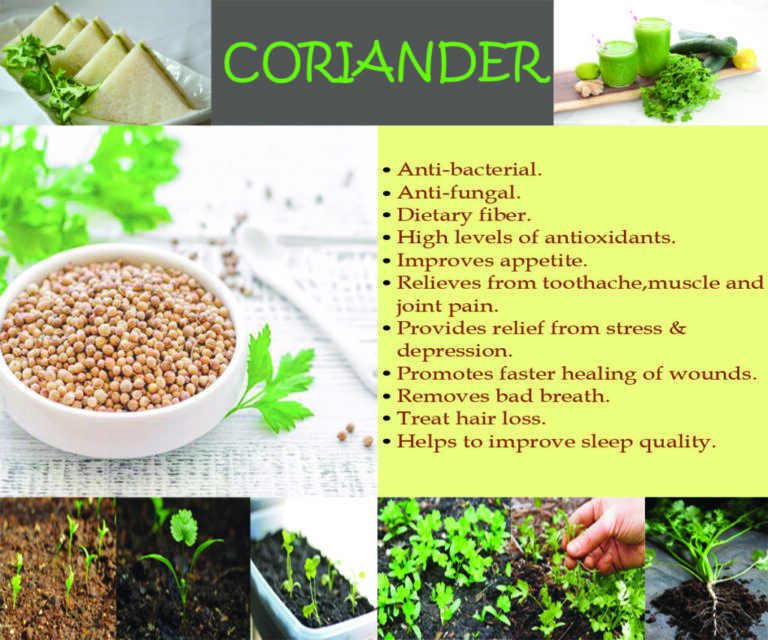
The story of coriander, Coriandrum sativum, is as old as civilization itself, a fragrant whisper carried on ancient winds from the Mediterranean to the fertile crescents of Mesopotamia, across the Silk Roads to the bustling markets of India and China. For millennia, this unassuming plant has graced our kitchens, its seeds offering a warm, citrusy counterpoint to robust dishes, its fresh leaves (cilantro) a vibrant, polarizing burst of green. Yet, beyond its culinary prowess, coriander has held a revered place in traditional medicine, quietly celebrated for its digestive aid, anti-inflammatory properties, and, perhaps most intriguingly, its calming, anxiety-reducing effects.
For generations, this understanding remained largely anecdotal, a testament to empirical observation passed down through oral traditions and ancient texts. The mechanism, however, was shrouded in the mystique of herbalism, awaiting the discerning eye of modern science to peel back its layers. This is the story of that unveiling, a journey into the molecular heart of coriander, where a remarkable compound named linalool emerges as the silent maestro orchestrating a symphony of serenity within our very brains. It’s a narrative that bridges the chasm between folk wisdom and rigorous scientific inquiry, revealing how a simple terpene can unlock a profound sense of calm.
Chapter 1: The Botanical Lineage and Historical Tapestry of Coriander
Our story begins with the plant itself. Coriandrum sativum is an annual herb belonging to the Apiaceae family, a diverse group that also includes carrots, parsley, and celery. It’s a plant of dual identity: its mature, dried seeds are known as coriander, while its fresh leaves are universally called cilantro in the Americas, and often referred to simply as coriander leaves elsewhere. This duality hints at its complex chemical profile, with different parts of the plant boasting distinct aromatic and medicinal compounds.
Archaeological evidence places coriander among the earliest spices used by humankind. Seeds have been found in the Neolithic Nahal Hemar cave in Israel, dating back over 8,000 years. It was cultivated in ancient Egypt, depicted in hieroglyphs, and its seeds were even discovered in the tomb of Tutankhamun, suggesting its value extended beyond mere sustenance. The Romans used it to preserve meat and flavor their wine, while the Greeks documented its medicinal uses, with Hippocrates, the father of medicine, praising its therapeutic qualities. In India, Ayurveda has long incorporated coriander for its digestive, anti-inflammatory, and anxiolytic properties, often recommending it for conditions of stress and restlessness. Traditional Chinese Medicine (TCM) also recognized its ability to promote circulation and aid digestion, indirectly contributing to a sense of well-being.
Across these diverse cultures and epochs, a recurring theme emerged: coriander, in various forms, seemed to possess a subtle power to soothe. Whether consumed as a culinary spice, steeped as a tea, or applied topically as an oil, it left behind a trail of calm. But what was the invisible hand behind this pervasive effect? The answer, as science would eventually reveal, lay nestled within its intricate chemistry, particularly in its volatile organic compounds – the essential oils.
Chapter 2: Linalool: The Aromatic Architect
Enter linalool, the protagonist of our scientific tale. Linalool is a naturally occurring monoterpene alcohol, a type of organic compound found in the essential oils of over 200 different plant species. While coriander is a significant source, linalool is perhaps more famously associated with the tranquil scent of lavender (Lavandula angustifolia), the uplifting aroma of bergamot (Citrus bergamia), and the fresh notes of rosewood and sweet basil. Its ubiquity across the plant kingdom speaks to its fundamental role in nature, often acting as an insect repellent or a signaling molecule.
Chemically, linalool is characterized by its distinct, often enantiomeric forms ((R)-(-)-linalool and (S)-(+)-linalool), each contributing slightly different nuances to its aroma and potentially its biological activity. However, in the context of its anxiolytic effects, both forms exhibit similar calming properties. Its aroma profile is complex and appealing – a delicate blend of floral, woody, and slightly citrusy notes, often described as sweet and pleasant. This sensory appeal is no accident; our olfactory system is intricately linked to our emotional centers, making aroma a powerful modulator of mood.
What makes linalool particularly effective as a therapeutic agent is its relatively small molecular size and lipophilicity (fat-solubility). These properties allow it to readily cross biological membranes, including the formidable blood-brain barrier – the tightly regulated gateway that protects the central nervous system from circulating toxins and pathogens. This ability to access the brain is paramount for any compound aiming to influence mood, cognition, or anxiety. Once inside the brain, linalool can begin its intricate dance with neurotransmitters and receptors, initiating the cascade of events that culminates in its calming effects.
Chapter 3: The Gateway to Calm: Linalool’s Pharmacokinetics and Pharmacodynamics
To truly understand how linalool reduces anxiety, we must delve into its pharmacokinetics (what the body does to the drug) and its pharmacodynamics (what the drug does to the body).
Pharmacokinetics: The Journey Inward
Linalool can enter the body through several routes, each with implications for its onset and duration of action:
-
Inhalation (Aromatherapy): This is perhaps the most direct and rapid route for influencing brain activity. When we inhale the scent of coriander essential oil, linalool molecules are carried into the nasal cavity. Here, they interact with olfactory receptors, sending electrical signals directly to the limbic system of the brain – the ancient emotional control center that includes the amygdala (involved in fear and anxiety) and the hippocampus (involved in memory and emotion). Simultaneously, inhaled linalool can be absorbed through the lungs into the bloodstream, where it then circulates throughout the body, including the brain. The rapid onset of calm experienced during aromatherapy is largely attributed to this dual pathway.
-
Oral Ingestion: When coriander seeds or extracts are consumed, linalool is absorbed through the gastrointestinal tract. From there, it enters the bloodstream and travels to the liver, where it undergoes initial metabolism before reaching systemic circulation and eventually the brain. While this route offers a slower onset, it can provide a more sustained effect.
-
Dermal Absorption: Applying essential oils containing linalool to the skin allows for transdermal absorption. The molecules penetrate the skin layers, enter the capillaries, and then circulate systemically. This method offers a gradual, sustained release, often used in massage oils or topical balms for localized effects or systemic absorption.
Once absorbed, linalool is metabolized primarily in the liver, often undergoing oxidation and conjugation, before being excreted through the kidneys. Its relatively short half-life means its effects, while potent, are generally transient, making it a suitable candidate for acute anxiety relief without prolonged sedation.
Pharmacodynamics: The Molecular Embrace
The true magic of linalool lies in its pharmacodynamics – how it interacts with the intricate machinery of our brain to produce its anxiolytic effects. Research has elucidated several key mechanisms, primarily centered around neurotransmitter systems responsible for regulating mood, stress, and arousal.
-
Potentiation of GABAergic Neurotransmission: This is arguably the most significant mechanism. Gamma-aminobutyric acid (GABA) is the primary inhibitory neurotransmitter in the central nervous system. It acts like a brake, reducing neuronal excitability and promoting a state of calm. When GABA binds to its receptors, particularly the GABA-A receptor, it opens a chloride ion channel, allowing negatively charged chloride ions to rush into the neuron. This influx hyperpolarizes the neuron, making it less likely to fire an action potential, thus reducing overall brain activity.
Linalool has been shown to act as a positive allosteric modulator of GABA-A receptors. This means it doesn’t directly bind to the same site as GABA itself, but rather binds to a different site on the receptor, enhancing GABA’s affinity and efficacy. By doing so, linalool makes GABA more effective at opening the chloride channel, leading to greater neuronal inhibition and a profound anxiolytic effect. This mechanism is strikingly similar to how benzodiazepines (e.g., Valium, Xanax) work, though linalool’s action is generally considered milder, less prone to dependence, and with fewer side effects like severe sedation or amnesia. It’s like turning up the volume on the brain’s natural calming signal.
-
Modulation of Serotonergic System: While GABA is the primary target, emerging research suggests linalool may also interact with the serotonergic system. Serotonin is another crucial neurotransmitter, often dubbed the "feel-good" chemical, playing a vital role in mood regulation, sleep, appetite, and social behavior. Imbalances in serotonin levels are strongly linked to depression and anxiety disorders. Linalool may influence serotonin receptors or modulate serotonin reuptake, indirectly contributing to its mood-stabilizing and anxiety-reducing properties. This potential interaction adds another layer to its multifaceted action.
-
Attenuation of Glutamatergic Activity: Glutamate is the primary excitatory neurotransmitter in the brain. While essential for learning and memory, excessive glutamatergic activity can lead to excitotoxicity, neuronal damage, and contribute to anxiety and stress responses. Some studies suggest that linalool may subtly reduce glutamate release or modulate its receptor activity, thereby dampening over-excitation in specific brain regions. This contributes to a more balanced and calmer neural environment.
-
Neurotransmitter Release Modulation: Beyond receptor interactions, linalool may also influence the presynaptic release of various neurotransmitters. By modulating the release of inhibitory or excitatory neurotransmitters, it can fine-tune the overall balance of brain activity, favoring a state of reduced arousal and increased calm.
-
Anti-inflammatory and Antioxidant Effects: While not directly anxiolytic in the same way as GABAergic modulation, linalool also possesses significant anti-inflammatory and antioxidant properties. Chronic inflammation and oxidative stress are increasingly recognized as contributing factors to various neuropsychiatric disorders, including anxiety and depression. By reducing systemic inflammation and oxidative damage, particularly in brain regions vulnerable to stress, linalool may indirectly contribute to a healthier neural environment, thereby reducing susceptibility to anxiety. It helps create a more robust and resilient brain.
-
Direct Olfactory Pathway to the Limbic System: As mentioned earlier, the direct stimulation of olfactory receptors bypassing the thalamus (the brain’s sensory relay station) and directly signaling the limbic system provides an immediate emotional and physiological response. The mere scent of linalool can trigger relaxation pathways, reduce heart rate, and lower blood pressure even before systemic absorption occurs. This "top-down" influence from aroma perception works in concert with the "bottom-up" molecular interactions once linalool reaches the brain.
The combined effect of these mechanisms paints a picture of a sophisticated compound capable of subtly yet effectively rebalancing the brain’s neurochemical landscape, gently guiding it away from states of hyperarousal and towards a more tranquil equilibrium.
Chapter 4: From Petridish to Pre-Clinical Trials: Unveiling the Evidence
The journey from traditional wisdom to scientific validation is paved with rigorous experimentation. Initial clues often emerge from in vitro (test tube) studies, where researchers can observe linalool’s interaction with isolated neurotransmitter receptors or enzymes. These studies provide foundational evidence for its potential mechanisms.
The real breakthroughs, however, often come from in vivo (in living organisms) studies, particularly in animal models. These models are carefully designed to mimic aspects of human anxiety and stress, allowing scientists to observe behavioral and physiological changes in response to various interventions.
One of the most commonly used animal models for anxiety is the Elevated Plus Maze (EPM). This apparatus consists of two open arms and two enclosed arms, elevated above the ground. Rodents, naturally averse to open, exposed spaces, will typically spend more time in the enclosed arms. An anxiolytic compound like linalool is expected to increase the time spent in the open arms, indicating a reduction in anxiety-like behavior. Studies consistently show that animals treated with linalool, whether inhaled or injected, exhibit significantly more exploratory behavior in the open arms, mirroring the effects of established anxiolytic drugs.
Another valuable tool is the Open Field Test, which measures general locomotor activity and exploratory behavior in a novel environment. Anxious animals tend to stay near the walls of the arena (thigmotaxis), while calmer animals explore the center more freely. Linalool treatment often leads to increased time in the central zone and reduced freezing behavior, again suggesting a decrease in anxiety.
The Light-Dark Box Test capitalizes on the natural aversion of rodents to brightly lit, open spaces. Anxiolytic compounds increase the time spent in the illuminated compartment. Linalool has demonstrated this effect, further solidifying its anxiolytic profile.
Beyond behavioral observations, researchers also measure physiological markers of stress. Studies have shown that linalool can significantly reduce levels of stress hormones like cortisol and adrenocorticotropic hormone (ACTH) in stressed animals. It can also normalize heart rate and blood pressure, which are often elevated during periods of anxiety.
Crucially, many of these animal studies have investigated the specific mechanisms of action. For instance, researchers have demonstrated that the anxiolytic effects of linalool can be blocked by administering flumazenil, an antagonist of the benzodiazepine binding site on the GABA-A receptor. This provides strong evidence that linalool’s primary anxiolytic action is indeed mediated through the GABAergic system, specifically by modulating the GABA-A receptor.
These pre-clinical findings are not just isolated observations; they represent a growing body of consistent evidence across various research groups and methodologies. They paint a compelling picture of linalool as a natural compound with a clear and reproducible capacity to reduce anxiety-like behaviors and physiological stress responses through well-defined neurochemical pathways.
Chapter 5: Bridging the Gap: The Human Experience and Clinical Horizons
While animal models provide invaluable insights, the ultimate test for any therapeutic agent lies in its effects on humans. Translating pre-clinical findings into clinical applications is a complex process, particularly for subjective states like anxiety. However, preliminary human studies and observations from aromatherapy practices offer promising glimpses into linalool’s potential.
One of the most common applications of linalool-rich essential oils in humans is through aromatherapy. For centuries, lavender, a primary source of linalool, has been used to promote relaxation and sleep. Modern studies have begun to quantify these effects. For example, studies on dental patients, a common cohort for acute anxiety, have shown that inhalation of lavender essential oil (rich in linalool) significantly reduces self-reported anxiety levels and physiological markers like heart rate and blood pressure during dental procedures. Similar findings have been reported in pre-operative patients, where aromatherapy with linalool-containing oils has been shown to decrease anxiety and improve mood prior to surgery.
Electroencephalography (EEG) studies have provided objective evidence of linalool’s effects on human brain activity. Inhalation of linalool has been observed to increase alpha wave activity, which is associated with a relaxed, wakeful state, and decrease beta wave activity, typically linked to alertness and anxiety. These changes in brainwave patterns provide a neural signature of relaxation induced by linalool.
Beyond inhalation, studies exploring oral administration of linalool or linalool-rich extracts are also emerging. While more challenging to standardize due to variations in absorption and metabolism, these studies aim to investigate the potential for dietary or supplemental intake to confer anxiolytic benefits.
However, it’s important to acknowledge the challenges in human research. The placebo effect can be particularly strong in studies involving subjective experiences like anxiety. Furthermore, standardizing dosages and administration methods for natural compounds can be difficult, given the variability in plant extracts. Despite these hurdles, the consistent positive outcomes in preliminary human trials, coupled with the robust pre-clinical data, strongly suggest that the anxiety-reducing effects of linalool are not merely a figment of traditional belief but a demonstrable scientific reality.
The future of research in this area looks towards larger, well-controlled clinical trials to definitively establish optimal dosages, long-term efficacy, and safety profiles for specific anxiety disorders. The goal is to integrate these natural compounds into mainstream therapeutic strategies, offering complementary or alternative options for managing anxiety, particularly for those seeking gentler, less dependence-forming interventions.
Chapter 6: The Symphony of Synergy: Coriander Beyond Linalool
While linalool stands as the undisputed star of coriander’s anxiolytic show, it’s crucial to remember that nature rarely works in isolation. Coriander is a complex botanical matrix, containing a rich array of other bioactive compounds that likely contribute to its overall therapeutic profile. This concept is often referred to as the entourage effect, where the combined action of multiple compounds is greater than the sum of their individual effects.
Coriander essential oil, for instance, contains other terpenes like gamma-terpinene, alpha-pinene, and limonene, all of which have their own subtle biological activities. Gamma-terpinene and alpha-pinene, for example, have demonstrated anti-inflammatory and antioxidant properties, which, as discussed, can indirectly support brain health and reduce anxiety. Limonene, another common terpene, is known for its mood-elevating properties.
Beyond the volatile oils, coriander seeds and leaves are rich in flavonoids (e.g., quercetin, kaempferol) and phenolic acids (e.g., caffeic acid, ferulic acid). These compounds are potent antioxidants and anti-inflammatory agents. While they may not directly cross the blood-brain barrier to modulate neurotransmitters in the same way as linalool, their systemic anti-inflammatory effects can reduce the body’s overall stress burden and create a more conducive environment for mental well-being. Chronic low-grade inflammation is increasingly linked to anxiety and depression, so reducing it at a systemic level can have profound benefits for mood.
Therefore, while linalool is the primary anxiolytic agent, the complete symphony of compounds within coriander likely contributes to a more holistic and robust calming effect. It’s a testament to the elegant complexity of plant medicine, where multiple molecules work in concert to restore balance and promote health. This synergistic action underscores the value of using whole plant extracts or consuming coriander as a food, rather than relying solely on isolated compounds, as the full spectrum of its benefits may only be realized when its constituents are present in their natural ratios.
Chapter 7: Considerations and the Future Landscape
As we conclude our journey into the science of linalool and coriander, it’s important to consider practical implications and future directions.
Dosage and Administration: For culinary use, incorporating coriander seeds or fresh cilantro into daily meals offers a gentle, sustained exposure to its beneficial compounds. For more targeted anxiolytic effects, essential oil diffusion (aromatherapy) or topical application can provide more concentrated exposure. The quality and purity of essential oils are paramount; sourcing from reputable suppliers ensures that the product is genuine and free from adulterants. While oral supplementation of isolated linalool or concentrated coriander extracts is being explored, it should always be approached with caution and ideally under professional guidance, as higher doses can lead to different physiological effects and potential interactions.
Safety Profile: Linalool is generally considered safe for consumption and topical use in appropriate concentrations. However, as with any potent natural compound, individual sensitivities can vary. Some individuals may experience skin irritation with undiluted essential oils, and allergic reactions, though rare, are possible. Pregnant or nursing women, children, and individuals with pre-existing medical conditions should consult a healthcare professional before using concentrated essential oils or supplements.
The Future Landscape: The story of linalool and coriander is far from over. Future research will likely focus on:
- Clinical Trials: Conducting large-scale, placebo-controlled human trials to confirm efficacy for specific anxiety disorders, determine optimal dosages, and compare its effectiveness against conventional anxiolytics.
- Pharmacogenomics: Understanding how individual genetic variations influence the metabolism and response to linalool, paving the way for personalized botanical medicine.
- Neuroimaging: Using advanced techniques like fMRI to precisely map the brain regions and neural circuits affected by linalool in humans.
- Combination Therapies: Exploring how linalool or coriander extracts can be effectively combined with other natural compounds or even conventional therapies to enhance anxiolytic effects and minimize side effects.
- Sustainable Sourcing: Developing sustainable cultivation and extraction methods for coriander and other linalool-rich plants to ensure long-term availability and ecological responsibility.
Conclusion: Nature’s Elegant Prescription
From the sun-drenched fields where it first took root to the intricate neural pathways of the human brain, the journey of coriander and its star compound, linalool, is a testament to the enduring wisdom of nature and the relentless curiosity of science. For millennia, cultures across the globe intuitively recognized the calming embrace of this humble plant. Now, armed with the tools of modern biochemistry and neuroscience, we are beginning to unravel the elegant molecular mechanisms behind that ancient intuition.
Linalool, the aromatic architect, does not merely mask anxiety; it gently re-tunes the brain’s orchestra, amplifying the calming signals of GABA and subtly modulating other neurotransmitter systems, guiding the mind back to a state of equilibrium. It’s a sophisticated interaction, a silent symphony played out on the stage of our neurons, leading to a profound sense of peace.
The story of linalool is a powerful reminder that sometimes, the most potent solutions are found not in synthetic laboratories, but in the quiet, green wisdom of the earth. As we continue to navigate the complexities of modern life and the pervasive challenge of anxiety, the science behind coriander’s calming effects offers a compelling narrative of hope, revealing a natural prescription for serenity, written in the fragrant language of plants. The whispers of ancient wisdom, once an enigma, now resonate with the clarity of scientific understanding, inviting us to rediscover the profound healing potential woven into the very fabric of our natural world.