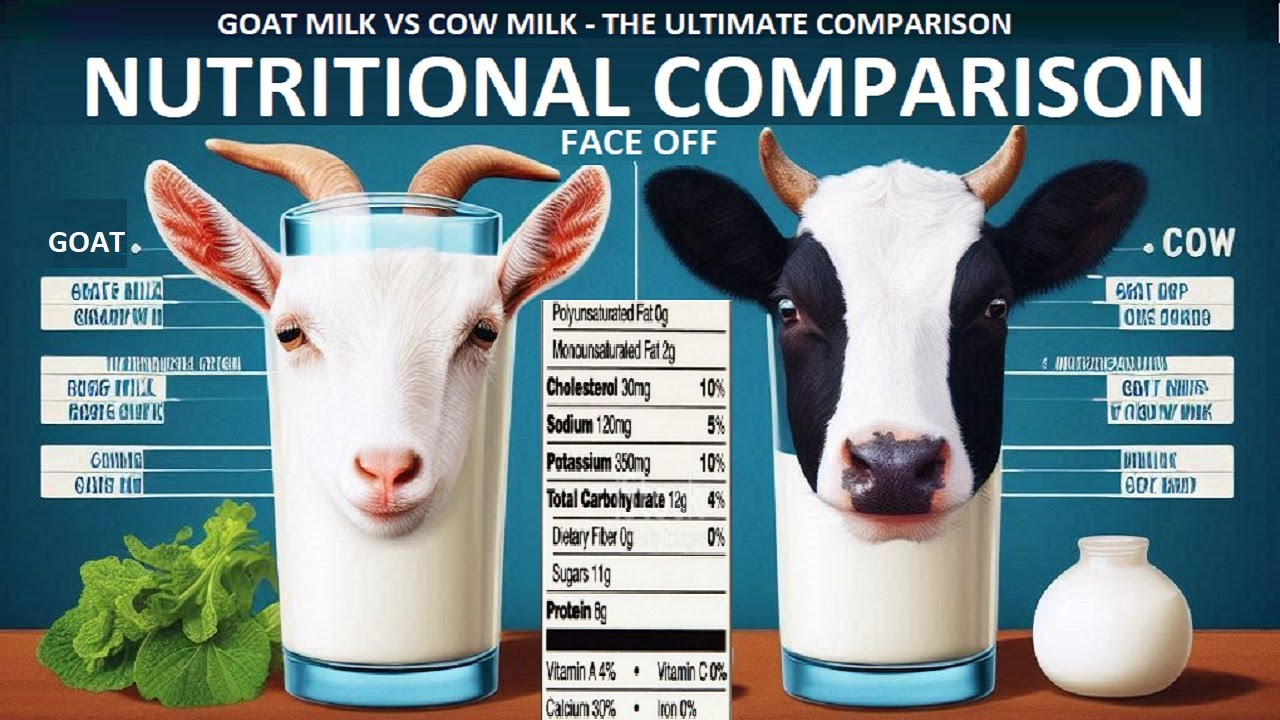
Goat Milk vs. Cow Milk: A Comprehensive Health Showdown
In the grand arena of nutritional debate, where ancient staples often clash with modern preferences, few rivalries are as deeply rooted and passionately discussed as that between goat milk and cow milk. For millennia, these two white elixirs have nourished humanity, each boasting a unique heritage, a distinct nutritional profile, and a chorus of proponents singing its praises. Yet, in an increasingly health-conscious world, the question isn’t just about taste or tradition; it’s about health, digestibility, and which of these dairy titans truly reigns supreme for the discerning consumer.
This isn’t merely a factual comparison; it’s a story of evolutionary adaptation, biochemical nuances, and the intimate relationship between what we consume and how our bodies respond. We will embark on a comprehensive health showdown, peeling back the layers of marketing hype and anecdotal evidence to reveal the scientific truths that differentiate goat milk from cow milk, exploring everything from their macronutrient composition to their impact on gut health, allergies, and overall well-being. Our journey will reveal that the victor isn’t a singular champion, but rather a nuanced choice dictated by individual physiology, dietary needs, and personal preference.
A Tale of Two Dairies: Historical and Cultural Context
Before delving into the molecular intricacies, it’s vital to appreciate the historical trajectory of these two milks. Cow’s milk, often synonymous with "milk" in many Western cultures, emerged as a dominant agricultural product with the rise of large-scale farming and industrialization. Its widespread availability, coupled with its relatively mild flavor and ease of production, cemented its status as a dietary cornerstone for billions. From the dairy farms of Europe to the sprawling ranches of America, the cow became the archetypal milk provider, shaping culinary traditions and nutritional guidelines.
Goat’s milk, on the other hand, boasts an even more ancient pedigree. Goats were among the first animals to be domesticated, their resilience and adaptability making them ideal livestock in diverse, often challenging, environments. Across the Mediterranean, the Middle East, Africa, and parts of Asia, goat milk has been a life-sustaining staple for millennia. It is deeply interwoven into the cultural fabric, celebrated for its robust flavor and perceived health benefits long before modern science could explain them. While less common in mainstream Western supermarkets, its global consumption far outstrips that of cow’s milk when considering developing nations. This rich history sets the stage for a nutritional comparison that transcends mere numbers, echoing the very evolution of human diet.
The Macronutrient Melee: Protein, Fat, and Carbohydrates
At the heart of any nutritional assessment lies the macronutrient profile. Both goat and cow milk are complete foods, offering a substantial array of proteins, fats, and carbohydrates, but their structural and quantitative differences are where the true "showdown" begins.
Protein: The Building Blocks Battle
Proteins are the workhorses of the body, crucial for muscle repair, enzyme production, and immune function. Both milks are excellent sources, typically containing around 3.2-3.5% protein by weight. However, the type and structure of these proteins are vastly different, particularly concerning caseins.
Cow milk is rich in alpha-s1-casein, a large, complex protein that forms a relatively firm curd in the stomach. This firm curd can be challenging for some digestive systems, leading to discomfort or allergic reactions. It’s this specific protein that is often implicated in Cow Milk Protein Allergy (CMPA), a common food allergy, particularly in infants.
Goat milk, in contrast, contains significantly less alpha-s1-casein and a higher proportion of alpha-s2-casein and beta-casein. This structural difference means that when goat milk reaches the acidic environment of the stomach, it forms a softer, looser curd. This softer curd is easier for digestive enzymes to break down, leading to more efficient absorption and often less digestive distress. This difference in protein structure is arguably one of the most significant factors contributing to goat milk’s reputation for being more digestible.
Beyond digestibility, the amino acid profiles are also noteworthy. While both provide all essential amino acids, some studies suggest goat milk may have a slightly higher concentration of certain free amino acids like tryptophan and taurine, which play roles in neurotransmitter function and development, respectively.
Fats: The Globule and Fatty Acid Face-Off
Fats are essential for energy, hormone production, and nutrient absorption. Both milks contain roughly 3.5-4% fat, but their composition and physical structure diverge considerably.
Cow milk contains larger fat globules, which often require homogenization (a process that breaks down fat globules to prevent cream separation) to achieve a uniform consistency. These larger globules can be more difficult for the body’s lipase enzymes to break down.
Goat milk, conversely, naturally has smaller fat globules, approximately one-tenth the size of those in cow milk. This natural homogenization means that goat milk is easier to digest without industrial processing. Furthermore, goat milk boasts a higher proportion of medium-chain triglycerides (MCTs) compared to cow milk. MCTs are metabolized differently from long-chain triglycerides; they are absorbed directly into the bloodstream and rapidly converted into energy, rather than being stored as fat. This makes goat milk a potentially beneficial option for individuals with fat malabsorption issues or those seeking a quicker energy source.
Goat milk also contains a higher percentage of capric, caprylic, and caproic acids – fatty acids responsible for its distinctive tangy flavor and known for their antimicrobial properties. While cow milk is a source of conjugated linoleic acid (CLA), goat milk also contains this beneficial fatty acid, albeit in varying concentrations depending on diet and breed.
Carbohydrates: Lactose and the Sweet Challenge
Lactose, the primary carbohydrate in milk, is a disaccharide that requires the enzyme lactase for proper digestion. Lactose intolerance, characterized by symptoms like bloating, gas, and diarrhea, affects a significant portion of the global population.
While often perceived as "lactose-free," it’s crucial to clarify that goat milk does contain lactose. However, it typically contains slightly less lactose than cow milk – around 4.1% in goat milk compared to 4.7% in cow milk. For individuals with mild lactose intolerance, this marginal difference, combined with goat milk’s easier digestibility due to its fat and protein structure, can sometimes be enough to alleviate symptoms. It’s not a cure for severe lactose intolerance, but it can be a more tolerable option for many.
The Micronutrient Matrix: Vitamins, Minerals, and Bioavailability
Beyond the macronutrients, the micronutrient profile is where both milks truly shine, albeit with different strengths.
Vitamins: A, B, C, and D
- Vitamin A: Goat milk naturally contains more Vitamin A (retinol) in its pre-formed state, which means the body can utilize it directly without conversion. Cow milk, while containing beta-carotene (a precursor to Vitamin A), requires the body to convert it, a process that can be inefficient in some individuals. This makes goat milk a more direct source of this vision- and immune-supporting vitamin.
- B Vitamins: Cow milk generally has higher levels of folate (Vitamin B9) and cobalamin (Vitamin B12). Folate is crucial for cell growth and DNA synthesis, particularly important during pregnancy. Vitamin B12 is essential for nerve function and red blood cell formation. Goat milk, while containing B vitamins, is often lower in these two specific ones, which is an important consideration, especially for those relying solely on goat milk for infants or young children.
- Vitamin D: Both milks are typically fortified with Vitamin D in many countries, as natural levels can vary widely and are often insufficient. When comparing unfortified versions, levels are generally comparable but can fluctuate based on factors like the animal’s diet and sun exposure.
- Vitamin C: Both milks contain minimal amounts of Vitamin C, which is heat-sensitive and largely destroyed during pasteurization.
Minerals: Calcium, Phosphorus, and Beyond
- Calcium and Phosphorus: Both milks are excellent sources of calcium and phosphorus, crucial for bone health, nerve function, and energy metabolism. Goat milk often contains slightly higher levels of both, and importantly, some research suggests that the bioavailability of calcium and phosphorus from goat milk might be superior due to its unique mineral interactions. This means the body might absorb and utilize these minerals more efficiently from goat milk.
- Magnesium and Potassium: Goat milk tends to have higher concentrations of magnesium, a vital mineral for muscle and nerve function, blood glucose control, and blood pressure regulation. Potassium, essential for fluid balance and blood pressure, is also present in comparable or slightly higher amounts in goat milk.
- Iron: Both milks are naturally low in iron, a common deficiency worldwide. However, some studies indicate that goat milk may enhance the utilization of iron and copper in the digestive tract, potentially mitigating the impact of its low intrinsic iron content.
The Digestibility Nexus: Why Structure Matters
The "digestibility" argument is perhaps goat milk’s strongest suit and the primary reason many individuals choose it over cow milk. This isn’t just about lactose; it’s a symphony of factors working in concert.
- Softer Curd Formation: As discussed, goat milk’s lower alpha-s1-casein content leads to the formation of a much softer, looser, and more fragile curd in the stomach. This curd resembles more a fine precipitate than a dense mass, making it significantly easier for digestive enzymes (pepsin and trypsin) to penetrate and break down the proteins efficiently. In contrast, cow milk’s firm curd can sit in the stomach longer, contributing to feelings of fullness, bloating, and discomfort.
- Smaller Fat Globules: The naturally smaller fat globules in goat milk present a larger surface area for lipase enzymes to act upon, leading to quicker and more complete fat digestion and absorption. This is particularly beneficial for individuals with compromised digestive systems or those prone to fat malabsorption.
- Lactose Content: While not lactose-free, the slightly lower lactose content in goat milk can be the tipping point for individuals with mild lactose sensitivity, allowing them to enjoy dairy without severe symptoms.
These three factors combine to create a dairy product that moves through the digestive system more smoothly and efficiently, reducing the likelihood of gastrointestinal distress that many associate with cow milk.
The Allergy and Intolerance Landscape: A Delicate Balance
The terms "allergy" and "intolerance" are often used interchangeably, but they represent fundamentally different physiological responses. Understanding this distinction is crucial when comparing goat and cow milk.
Cow Milk Protein Allergy (CMPA)
CMPA is an immune-mediated allergic reaction to the proteins in cow milk, most commonly alpha-s1-casein. Symptoms can range from mild (skin rashes, hives, eczema, digestive upset) to severe (anaphylaxis). For individuals diagnosed with CMPA, strict avoidance of cow milk and its derivatives is paramount.
Can goat milk be a safe alternative for CMPA sufferers? This is a complex question. While goat milk contains significantly less alpha-s1-casein, it still contains other casein proteins that are structurally similar to those in cow milk. Consequently, cross-reactivity is common, meaning an individual allergic to cow milk proteins has a high probability (around 70-90% in some studies) of also reacting to goat milk proteins. Therefore, goat milk is generally not recommended as a substitute for infants or individuals with confirmed CMPA without strict medical supervision and testing.
Lactose Intolerance
Lactose intolerance, as mentioned, is a digestive issue caused by a deficiency of the lactase enzyme, leading to the inability to properly digest lactose. It is not an immune response. For individuals with mild to moderate lactose intolerance, goat milk can sometimes be a more tolerable option due to its slightly lower lactose content and superior overall digestibility. Many individuals who experience discomfort with cow milk find that goat milk does not trigger the same symptoms. However, for those with severe lactase deficiency, even the reduced lactose in goat milk may be too much, and truly lactose-free alternatives would be necessary.
Beyond Basic Nutrition: Functional Health Benefits
The advantages of goat milk extend beyond its basic nutritional profile and digestibility, hinting at a range of functional health benefits that are garnering increasing scientific attention.
Gut Health and Prebiotic Potential
Goat milk contains a diverse array of oligosaccharides, complex carbohydrates that are indigestible by human enzymes. These oligosaccharides act as prebiotics, serving as food for beneficial gut bacteria (probiotics). By fostering a healthy gut microbiome, goat milk may contribute to improved digestion, enhanced immune function, and even better mood regulation. The quantity and diversity of oligosaccharides in goat milk are more similar to human breast milk than to cow milk, further supporting its potential role in gut health.
Anti-Inflammatory Properties
Some research suggests that goat milk may possess anti-inflammatory properties. The unique fatty acid profile, particularly the MCTs, and specific protein structures might contribute to modulating inflammatory responses in the body. While more research is needed, this potential benefit could be significant for individuals dealing with chronic inflammatory conditions.
Bone Health and Mineral Absorption
While both milks are excellent for bone health due to their calcium and phosphorus content, studies indicate that goat milk may enhance the metabolic utilization of these minerals, as well as iron and copper. This enhanced bioavailability means that the body might absorb and use these vital bone-building minerals more effectively from goat milk, potentially offering an advantage in preventing osteoporosis and supporting overall skeletal integrity.
Metabolic Health
Emerging research suggests that goat milk consumption might have positive effects on metabolic health. Some studies in animal models indicate that it could help improve cholesterol profiles and blood glucose regulation, possibly due to its MCT content and unique protein structures. However, these findings need to be confirmed in human trials.
Skin Health
Both internally and topically, goat milk is celebrated for its benefits to skin. Rich in Vitamin A, lactic acid, and various fatty acids, it can promote healthy skin cell turnover, provide gentle exfoliation, and maintain skin hydration. Goat milk soaps and lotions are popular for their soothing properties, often recommended for sensitive skin, eczema, and psoriasis, attributed to its similar pH level to human skin and its gentle, nourishing components.
Practical Considerations: Taste, Availability, and Cost
The health showdown wouldn’t be complete without acknowledging the practical realities of incorporating these milks into one’s diet.
Taste Profile
Taste is perhaps the most subjective, yet impactful, factor. Cow milk is generally characterized by a mild, slightly sweet, and creamy flavor that has become the default for many. Goat milk, on the other hand, has a more distinctive, tangy, and sometimes "goaty" flavor. This stronger taste is primarily due to its higher concentration of capric, caprylic, and caproic acids. For some, this flavor is an acquired taste; for others, it’s a cherished characteristic that enhances various dishes, from savory curries to artisanal cheeses.
Availability and Cost
Cow milk is ubiquitous, readily available in virtually every grocery store worldwide, and generally more affordable due to large-scale production and government subsidies in many regions. Goat milk, while gaining popularity, is still less common in many mainstream markets, often found in specialty health food stores or farmers’ markets. Its production is typically on a smaller scale, and the processing can be more specialized, leading to a higher price point compared to conventional cow milk.
Sustainability and Ethics
The environmental impact of dairy farming is a growing concern. While both cow and goat farming contribute to greenhouse gas emissions and land use, the scale and methods can differ significantly. Goats are often raised on smaller, more diverse farms and can thrive in environments less suitable for cattle, potentially offering a more sustainable option in certain contexts. However, intensive goat farming also has environmental implications. Ethical considerations regarding animal welfare are also paramount for conscious consumers, regardless of the animal.
Culinary Versatility: Beyond the Glass
Both milks transcend simple beverage status, forming the basis of a vast array of dairy products.
Cow Milk: The foundation of countless cheeses (cheddar, mozzarella, brie), yogurts, butter, ice cream, and creams. Its mild flavor makes it incredibly versatile in both sweet and savory applications.
Goat Milk: Increasingly prized in gourmet cuisine, goat milk shines in its own unique dairy products. Goat cheese (chevre) is famous for its distinct tang and crumbly texture, used in salads, tarts, and sandwiches. Goat milk yogurt offers a tart and creamy alternative. It can also be used to make butter, ice cream, and even soap. Its unique flavor profile can add a sophisticated dimension to dishes.
The Verdict: A Symphony of Nuance, Not a Singular Champion
So, who wins the comprehensive health showdown between goat milk and cow milk? The answer, as with most complex nutritional questions, is not a definitive "one is better than the other," but rather a nuanced appreciation of their individual strengths and how they align with specific individual needs.
-
For the average, healthy individual with no dairy sensitivities: Both milks offer excellent nutritional benefits. Cow milk is a widely available, cost-effective source of protein, calcium, and B vitamins. Goat milk offers similar benefits with potentially superior digestibility and higher levels of certain micronutrients like Vitamin A and magnesium. The choice largely comes down to taste preference and availability.
-
For those with digestive sensitivities (bloating, gas) or mild lactose intolerance: Goat milk often emerges as the preferred option. Its softer curd, smaller fat globules, and slightly lower lactose content make it significantly easier to digest for many, offering a dairy option where cow milk might cause discomfort.
-
For individuals with confirmed Cow Milk Protein Allergy (CMPA): Neither milk is a safe choice. The high risk of cross-reactivity means that goat milk cannot be recommended as a substitute. In these cases, plant-based alternatives (under medical guidance for infants) are necessary.
-
For those seeking specific functional benefits: Goat milk’s potential prebiotic effects, anti-inflammatory properties, and enhanced mineral bioavailability make it an intriguing choice for individuals focused on gut health, bone density, or general wellness.
Ultimately, this showdown reveals two formidable contenders, each with a rich history and a powerful nutritional punch. Cow milk, with its widespread accessibility and familiar taste, remains a global dietary staple. Goat milk, with its ancient lineage and distinct biochemical advantages, offers a compelling alternative, particularly for those seeking enhanced digestibility and specific micronutrient benefits.
The "story" of goat milk vs. cow milk is a testament to the incredible diversity of nature’s bounty and the intricate ways in which different foods interact with our unique physiologies. The most comprehensive health choice isn’t about declaring a single victor, but about informed decision-making, listening to one’s body, and choosing the dairy that best nourishes your individual health journey. As knowledgeable consumers, our power lies in understanding these differences and selecting the milk that truly serves our well-being.