Nature’s Elixir: 7 Surprising Ways Goat Milk Boosts Your Well-being
In the grand tapestry of human civilization, few creatures have played as pivotal a role as the humble goat. Often overlooked in favor of its bovine counterpart, the goat has, for millennia, been a silent architect of sustenance, culture, and health across diverse landscapes. From the arid plains of the Middle East to the rugged mountains of Europe and the lush valleys of Asia, these resilient animals have provided not just meat and fiber, but a liquid gold – their milk – an elixir whose true potential is only now being fully appreciated by modern science.
Beyond the quaint pastoral imagery, goat milk holds a treasure trove of nutritional and therapeutic properties that transcend mere sustenance. It’s a testament to nature’s ingenuity, a beverage steeped in history, revered by ancient civilizations, and now poised for a resurgence as a cornerstone of holistic well-being. This isn’t just a story about milk; it’s a narrative of rediscovery, a journey into the surprising ways this ancient elixir can profoundly boost our modern health, offering benefits that range from the deeply internal to the outwardly radiant.
For the knowledgeable consumer, who seeks not just information but understanding, the allure of goat milk lies in its intricate biochemical composition. It’s a substance crafted by nature to nourish, to heal, and to fortify, capable of addressing a spectrum of health concerns with a gentle yet powerful touch. Let us embark on an exploration of seven surprising facets of this remarkable dairy, delving into the science, history, and practical applications that elevate goat milk from a simple farm product to a veritable well-being powerhouse.
1. The Gentle Digestibility: A Balm for the Gut
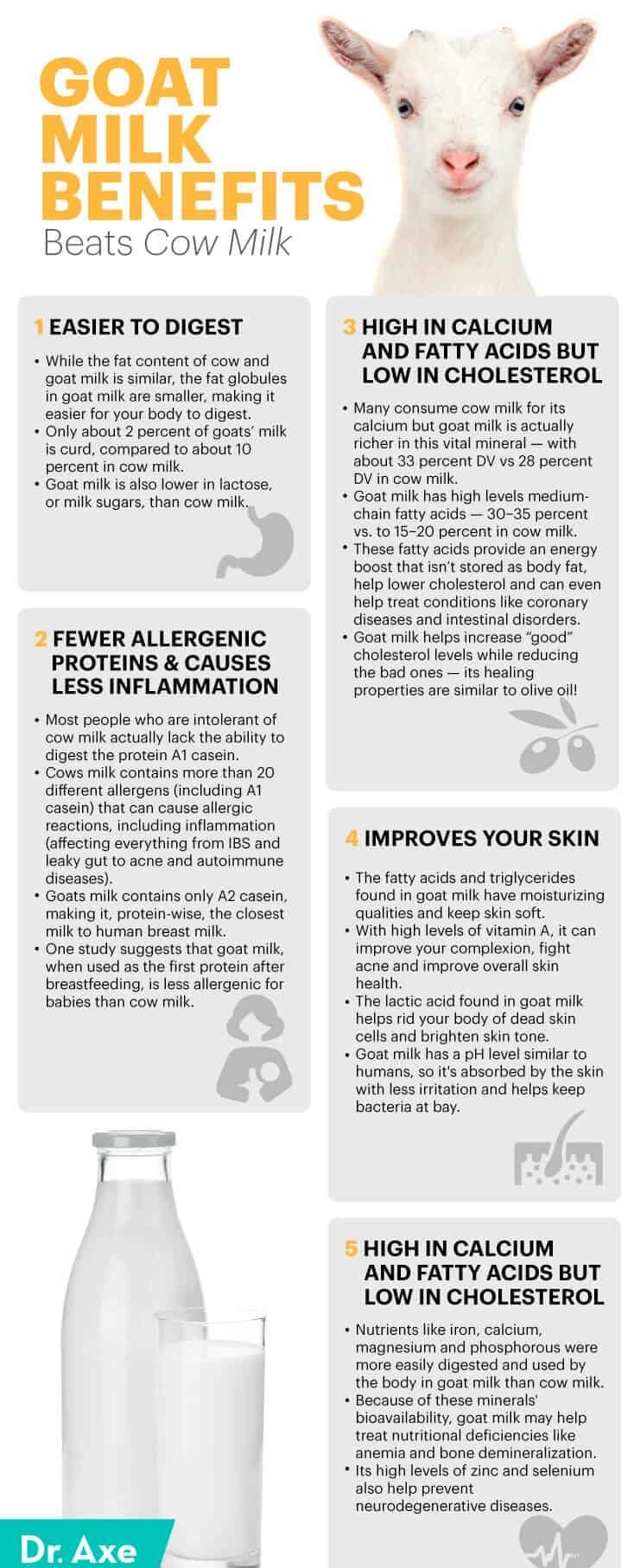
For many, the first and most compelling argument for goat milk lies in its remarkable digestibility. In an era where digestive discomforts are increasingly common, often attributed to the widespread consumption of cow’s milk, goat milk emerges as a soothing alternative, a balm for a troubled gut. This isn’t merely anecdotal; it’s rooted in distinct biochemical differences that make goat milk inherently easier for the human digestive system to process.
The primary culprit behind cow’s milk intolerance for many is its protein structure, specifically the presence of alpha-s1-casein. This protein forms larger, tougher curds in the stomach, which can be challenging to break down, leading to symptoms like bloating, gas, and abdominal pain. Goat milk, by contrast, contains significantly lower levels of alpha-s1-casein. Instead, it boasts a higher concentration of alpha-s2-casein and beta-casein, which form smaller, softer, and more delicate curds. Imagine the difference between trying to digest a hard, dense cheese versus a light, fluffy ricotta – the principle is similar. These finer curds present a larger surface area for digestive enzymes to act upon, allowing for quicker and more complete assimilation of nutrients.
Furthermore, the fat globules in goat milk are naturally smaller and more uniform than those in cow’s milk. This microscopic distinction is crucial. Larger fat globules tend to clump together, further impeding digestion. The smaller, more dispersed fat globules in goat milk are more readily emulsified and broken down by lipase enzymes, easing the burden on the digestive system. This particular characteristic is especially beneficial for infants and individuals with compromised digestive functions, allowing them to absorb the vital nutrients without the associated discomfort.
While goat milk does contain lactose, often the second common trigger for dairy sensitivity, many individuals who experience lactose intolerance with cow’s milk find goat milk to be more tolerable. This is partly due to its unique fat and protein structure, which allows for more efficient digestion overall, and partly because some studies suggest a slightly lower lactose content compared to cow’s milk, though the difference is not always significant enough to completely alleviate severe lactose intolerance. However, for those with milder sensitivities, the combined effect of smaller fat globules, softer curds, and potentially lower lactose can make a world of difference, transforming a formerly uncomfortable experience into a pleasant and nourishing one. In essence, goat milk offers a gentler journey through the digestive tract, allowing the body to absorb its bountiful nutrients with greater ease and less strain, truly making it a natural ally for gut health.
2. A Nutritional Treasure Chest: More Than Just Milk
To categorize goat milk as merely a "dairy product" is to undersell its profound nutritional density. It is, in essence, a compact nutritional treasure chest, packed with a spectrum of vitamins, minerals, and other essential compounds that collectively contribute to robust health. For centuries, in communities where other food sources were scarce, goat milk served as a complete and sustaining food, testament to its comprehensive nutritional profile.
When we delve into its composition, the richness becomes apparent. Goat milk is an excellent source of calcium and phosphorus, two minerals fundamental for bone health, nerve function, and cellular processes. However, its superiority often lies in the bioavailability of these nutrients. Studies suggest that the body can absorb calcium from goat milk more efficiently than from cow’s milk, thanks to its unique protein and mineral matrices. This means that a serving of goat milk might provide more usable calcium for building strong bones and teeth.
Beyond the structural minerals, goat milk is replete with an array of vitamins. It boasts higher levels of Vitamin A, crucial for vision, immune function, and skin health, often appearing naturally whiter than cow’s milk because its beta-carotene (a precursor to Vitamin A) is already converted. It also contains a significant amount of B vitamins, particularly riboflavin (B2), which is vital for energy production and metabolism, and niacin (B3), important for DNA repair and neurological function. These B vitamins play a synergistic role in converting food into energy, supporting cellular health, and maintaining nerve function, making goat milk a fantastic natural energy booster.
Furthermore, goat milk is a good source of potassium, an electrolyte vital for maintaining fluid balance, nerve signals, and muscle contractions, including those of the heart. It also offers magnesium, which plays a role in over 300 enzymatic reactions in the body, from muscle and nerve function to blood glucose control and blood pressure regulation. Perhaps less known but equally important is its selenium content, a powerful antioxidant that supports immune health and thyroid function, which we will explore further.
What makes this nutritional profile truly exceptional is the balance and synergy of these components. It’s not just the presence of individual nutrients, but how they interact to maximize absorption and efficacy. For instance, the combination of calcium, phosphorus, and vitamin D (often fortified, but naturally present in smaller amounts) creates an optimal environment for bone mineralization. This holistic approach to nutrition, delivered in a digestible and palatable form, truly solidifies goat milk’s standing as a superior nutritional beverage, far exceeding the simple notion of "just milk."
3. The Secret to Radiant Skin: From Cleopatra to Modern Cosmetics
The allure of radiant, youthful skin is timeless, and throughout history, various remedies have been sought to achieve it. Among the most enduring and effective, goat milk stands out, its reputation for skin-enhancing properties stretching back to antiquity. Legend has it that Cleopatra, the legendary Egyptian queen, maintained her famed beauty by bathing in goat milk, a luxurious practice that modern science now validates with compelling evidence.
The secret to goat milk’s dermatological prowess lies in its unique composition, a harmonious blend of beneficial acids, vitamins, and moisturizing agents. Foremost among these are alpha-hydroxy acids (AHAs), particularly lactic acid. Lactic acid is a natural exfoliant, gently dissolving the bonds that hold dead skin cells together on the skin’s surface. This gentle exfoliation reveals fresher, brighter skin underneath, promoting cellular turnover and contributing to a smoother, more even complexion. Unlike harsher chemical exfoliants, lactic acid in goat milk is mild, making it suitable even for sensitive skin, helping to reduce the appearance of fine lines, wrinkles, and hyperpigmentation over time.
Beyond exfoliation, goat milk is an exceptional moisturizer. It contains a rich array of fatty acids, including capric, caprylic, and caproic acids. These medium-chain fatty acids are natural emollients, meaning they help to replenish and lock in moisture, strengthening the skin’s natural barrier function. A robust skin barrier is essential for protecting against environmental aggressors, preventing moisture loss, and keeping the skin supple and hydrated. These fatty acids also possess natural anti-inflammatory and antimicrobial properties, which can be beneficial for individuals suffering from conditions like acne, eczema, and psoriasis, helping to soothe irritation and reduce flare-ups.
Furthermore, the vitamin content in goat milk contributes significantly to skin health. Vitamin A, in its natural form, is a powerful antioxidant that aids in skin repair and regeneration, helping to combat the signs of aging. Vitamin E, another antioxidant, protects skin cells from damage caused by free radicals and UV radiation, while also contributing to skin hydration. The presence of selenium, as mentioned earlier, adds another layer of antioxidant defense, safeguarding the skin against oxidative stress and promoting overall vitality.
Finally, the pH level of goat milk is remarkably similar to that of human skin. This physiological compatibility means that goat milk products do not disrupt the skin’s delicate acid mantle, which is crucial for maintaining its protective barrier. Instead, they work in harmony with the skin, cleansing without stripping its natural oils and nourishing without causing irritation. From luxurious soaps and lotions to direct application, integrating goat milk into a skincare routine is not just a nod to ancient beauty rituals, but a scientifically sound strategy for achieving and maintaining truly radiant, healthy skin.
4. Fortifying the Inner Fortress: Unlocking Immune Resilience
In an increasingly complex world, the strength of our immune system has become a paramount concern. It is our inner fortress, a sophisticated defense network that protects us from a myriad of pathogens and environmental threats. While many factors contribute to immune resilience, the role of nutrition is undeniable, and here, goat milk emerges as a surprising yet potent ally, offering unique components that bolster our body’s defenses.
One of the standout immune-boosting nutrients in goat milk is selenium. This trace mineral is a powerful antioxidant that plays a critical role in the proper functioning of the immune system. Selenium is essential for the production of glutathione peroxidase, an enzyme that protects cells from oxidative damage, which can weaken immune responses. It also supports the proliferation of T-cells and B-cells, crucial components of adaptive immunity, enabling the body to recognize and effectively fight off infections. Adequate selenium intake has been linked to a reduced risk of various infections and improved immune responses, making its presence in goat milk a significant advantage.
Beyond individual nutrients, goat milk contains unique oligosaccharides, complex carbohydrates that function as prebiotics. While not as abundant as in human breast milk, these oligosaccharides in goat milk are similar in structure to those found in human milk and play a vital role in nurturing a healthy gut microbiome. A thriving gut microbiome, teeming with beneficial bacteria, is now recognized as a cornerstone of a robust immune system. These good bacteria produce short-chain fatty acids, modulate immune cell development, and prevent the overgrowth of harmful pathogens. By feeding these beneficial bacteria, goat milk’s oligosaccharides indirectly strengthen the body’s primary line of defense.
Furthermore, the anti-inflammatory properties attributed to certain components of goat milk contribute to overall immune health. Chronic inflammation can suppress immune function, making the body more susceptible to illness. The fatty acids and other bioactive compounds in goat milk may help to modulate inflammatory pathways, creating a more balanced internal environment where the immune system can operate optimally.
While goat milk may not contain direct antibodies like colostrum, its comprehensive nutritional profile provides the building blocks for a strong immune response. The abundance of readily absorbable vitamins (A, B complex), minerals (zinc, magnesium), and high-quality protein all contribute to the synthesis of immune cells and antibodies. Zinc, in particular, is essential for immune cell development and function, and its presence in goat milk further reinforces its role as an immune system supporter. By providing a rich tapestry of essential nutrients and unique bioactive compounds, goat milk helps to fortify our inner fortress, enabling our immune system to stand strong against the daily onslaught of challenges, making it a truly surprising yet effective immune booster.
5. Metabolic Harmony and Sustained Energy: Fueling a Balanced Life
In the quest for sustained energy, stable blood sugar, and efficient metabolism, our dietary choices play a monumental role. While often associated with simple hydration and nutrient intake, goat milk offers surprising benefits for metabolic health, providing a source of sustained energy that helps maintain balance and vitality throughout the day.
A key contributor to goat milk’s metabolic advantages lies in its fat composition, particularly its higher proportion of medium-chain triglycerides (MCTs). Unlike long-chain triglycerides (LCTs) found predominantly in cow’s milk, MCTs are metabolized differently. They are absorbed more rapidly and transported directly to the liver, where they are quickly converted into energy, rather than being stored as fat. This makes MCTs an immediate and efficient fuel source, providing a quick burst of energy without the "sugar crash" often associated with simple carbohydrates. For individuals seeking to manage their weight or improve athletic performance, the presence of MCTs in goat milk offers a distinct advantage, supporting thermogenesis (calorie burning) and promoting a feeling of satiety.
Beyond its fat profile, goat milk is a rich source of high-quality protein. Protein is known for its ability to promote satiety, helping to keep hunger at bay and reducing the likelihood of overeating. This satiating effect is crucial for weight management and maintaining stable blood sugar levels. When consumed, protein slows down the digestion and absorption of carbohydrates, leading to a more gradual rise in blood glucose and insulin levels. This prevents the sharp spikes and subsequent crashes that can lead to fatigue, cravings, and increased fat storage. The easily digestible nature of goat milk’s protein further enhances its metabolic benefits, ensuring that the body can efficiently utilize these building blocks for muscle repair, hormone production, and enzyme synthesis, all vital for a healthy metabolism.
Furthermore, the comprehensive array of B vitamins found in goat milk plays a direct role in energy metabolism. Riboflavin (B2), niacin (B3), pantothenic acid (B5), and cobalamin (B12) are all essential cofactors in the complex biochemical pathways that convert food into usable energy. They are involved in breaking down carbohydrates, fats, and proteins into ATP (adenosine triphosphate), the body’s primary energy currency. By providing these critical metabolic facilitators, goat milk ensures that the body’s energy production machinery runs smoothly and efficiently.
The combination of easily digestible proteins, energizing MCTs, and vital B vitamins makes goat milk an exceptional food for fostering metabolic harmony. It provides a steady, sustained release of energy, helps regulate blood sugar, promotes satiety, and supports the myriad enzymatic reactions that underpin a healthy metabolism. For those seeking to optimize their energy levels, manage their weight, and enhance their overall metabolic well-being, goat milk offers a surprising and powerful natural solution, fueling a balanced and vibrant life from within.
6. The Foundation of Strength: Building and Maintaining Robust Bones
The silent strength that underpins our very structure – our bones – often goes unappreciated until issues arise. Bone health is a lifelong endeavor, requiring a consistent supply of specific nutrients to build, maintain, and repair this dynamic tissue. While cow’s milk is famously touted for its bone-building properties, goat milk offers a compelling, often superior, alternative, acting as a foundational pillar for robust skeletal integrity.
The cornerstone of bone health is undoubtedly calcium, and goat milk is an excellent source of this vital mineral. However, its advantage extends beyond mere quantity. As previously touched upon, the bioavailability of calcium from goat milk appears to be higher than that from cow’s milk. This means that the body is more efficient at absorbing and utilizing the calcium present in goat milk, making each sip potentially more effective in contributing to bone density. This enhanced absorption is partly due to goat milk’s unique protein and mineral composition, which creates an optimal environment for calcium uptake in the intestines.
But calcium alone is not enough. Phosphorus is the second most abundant mineral in the body and is equally critical for bone formation, working in tandem with calcium to create the crystalline structure of bones and teeth. Goat milk provides an excellent ratio of calcium to phosphorus, an essential balance for optimal bone mineralization. Without adequate phosphorus, calcium cannot be properly incorporated into the bone matrix, regardless of how much is consumed. The synergistic presence of both in goat milk ensures a comprehensive approach to skeletal strength.
Beyond these primary minerals, goat milk contributes to bone health through its content of other supportive nutrients. Magnesium, often overlooked, plays a crucial role in bone structure and density, influencing the activity of osteoblasts and osteoclasts (cells responsible for bone formation and resorption, respectively). Vitamin D, while not abundant naturally in most milks, is often fortified in goat milk products, and it is absolutely essential for calcium absorption in the gut and its subsequent deposition into bones. Some studies also suggest that goat milk may contain certain trace minerals like zinc and selenium, which, while not directly building bone, play supportive roles in enzymatic reactions crucial for bone metabolism and protection against oxidative stress that can damage bone cells.
Moreover, the easier digestibility of goat milk ensures that individuals with sensitive digestive systems can comfortably consume and absorb these vital bone-building nutrients. For those who experience discomfort with cow’s milk, goat milk provides an accessible and highly effective pathway to obtaining the necessary minerals for preventing osteoporosis and maintaining strong bones throughout life. From childhood development to protecting against age-related bone density loss, goat milk provides a profound and surprising foundation of strength, ensuring our inner scaffolding remains resilient and robust.
7. Nurturing the Mind: Clarity, Calm, and Cognitive Vitality
The intricate workings of the human brain, the seat of our thoughts, emotions, and memories, are profoundly influenced by the nutrients we consume. In the quest for enhanced cognitive function, improved mood, and reduced stress, dietary choices are paramount. While often associated with physical well-being, goat milk offers a surprising array of compounds that nurture the mind, contributing to clarity, calm, and overall cognitive vitality.
One of the less-discussed benefits of goat milk lies in its contribution to the synthesis of neurotransmitters, the chemical messengers that regulate mood, sleep, and cognitive processes. Goat milk contains tryptophan, an essential amino acid that is a precursor to serotonin. Serotonin is often dubbed the "feel-good" neurotransmitter, playing a critical role in regulating mood, promoting feelings of well-being, and contributing to restful sleep. Adequate levels of serotonin can help alleviate symptoms of anxiety and depression, fostering a sense of calm and emotional balance. By providing a natural source of tryptophan, goat milk subtly supports the brain’s ability to produce this vital compound, nurturing our mental landscape.
Furthermore, the B vitamins found in abundance in goat milk are indispensable for optimal brain function. As mentioned earlier, B vitamins like riboflavin (B2), niacin (B3), and cobalamin (B12) are crucial for energy production within brain cells. A well-energized brain functions more efficiently, leading to improved focus, concentration, and mental clarity. Vitamin B12, in particular, is vital for nerve health and the production of myelin, the protective sheath around nerve fibers. Deficiencies in B12 can lead to cognitive decline, memory problems, and mood disturbances. The consistent intake of these B vitamins through goat milk helps to maintain the structural integrity and functional efficiency of the nervous system, thereby supporting sustained cognitive performance.
While not as rich in omega-3 fatty acids as certain fish or seeds, goat milk does contain a beneficial profile of other fatty acids, including small amounts of omega-3s and omega-6s, which are important for brain health. These essential fatty acids are integral components of neuronal membranes, influencing their fluidity and communication capabilities. A healthy balance of these fats is crucial for cognitive processes like learning and memory. The easily digestible fat content in goat milk ensures that these brain-nourishing lipids are readily available for absorption and utilization.
Finally, the overall nutrient density of goat milk provides a holistic support system for the brain. The myriad of vitamins, minerals (like magnesium and zinc), and high-quality protein all contribute to neurological health, protecting brain cells from oxidative stress, supporting neuronal repair, and ensuring a stable internal environment for optimal mental function. In essence, goat milk acts as a gentle yet powerful neuro-nutrient, providing the raw materials and cofactors necessary for a sharp mind, a balanced mood, and a resilient cognitive framework, truly surprising in its profound impact on our mental well-being.
The Rediscovery of a Timeless Elixir
From the gentle slopes where goats graze to the modern kitchens and laboratories where its benefits are studied, goat milk represents a profound connection to our past and a promising path to future wellness. It is more than just an alternative dairy; it is a meticulously crafted gift from nature, an elixir that has sustained civilizations, soothed ailments, and enhanced beauty for millennia.
The journey through its seven surprising benefits reveals a substance of remarkable versatility and potency. Its unparalleled digestibility offers comfort to the sensitive gut, while its dense nutritional profile provides a comprehensive foundation for overall health. The historical link to radiant skin is validated by its unique blend of AHAs and moisturizing fats, and its role in fortifying the immune system is bolstered by key antioxidants and prebiotics. Metabolically, it offers sustained energy and balance, and structurally, it builds robust bones. Finally, its subtle yet significant impact on cognitive function and mood rounds out its profile as a holistic wellness booster.
For the knowledgeable individual, seeking to optimize health not through fads but through time-tested, scientifically supported means, goat milk stands as an invitation. It beckons us to look beyond the conventional, to embrace a natural resource that has quietly, yet powerfully, contributed to human well-being for thousands of years. Integrating this ancient elixir into daily life, whether in its liquid form, as cheese, yogurt, or through topical applications, is not merely a dietary choice; it is a conscious step towards a more balanced, nourished, and resilient self. The humble goat, and its extraordinary milk, continue to surprise and delight, proving that sometimes, the most profound answers to our modern health quests lie in the wisdom of the past and the enduring generosity of nature.