The Verdant Whisper: Unlocking the Ancient Power of Coriander for Modern Wellness
In the bustling theatre of the modern kitchen, amidst a vibrant cast of herbs and spices, one unassuming star often plays a supporting role, yet possesses a profound capacity to transform both flavour and well-being. This is Coriandrum sativum, the plant we know intimately as coriander, or its leafy incarnation, cilantro. More than just a garnish or a spice rack staple, coriander is a verdant whisper from ancient times, carrying secrets of health and vitality validated by contemporary science. For the discerning palate and the inquiring mind, its story is a tapestry woven with threads of history, botany, culinary art, and potent phytochemicals.
Our journey into the heart of coriander is not merely a recipe guide; it is an exploration, a narrative of discovery designed for the knowledgeable individual who seeks to understand the why behind the what. We will delve beyond the superficial, uncovering the profound health benefits that lie dormant within its delicate leaves and robust seeds, and then, most importantly, illuminate five accessible yet transformative ways to weave this botanical marvel into the fabric of your daily life. Prepare to elevate your understanding and your health, as we embark on this fragrant expedition to unlock coriander’s maximum potential.
The Enduring Legacy: A Plant Through Time and Cultures
Before we plunge into its myriad benefits and practical applications, it is crucial to appreciate the sheer breadth of coriander’s historical and cultural footprint. Coriandrum sativum is a member of the Apiaceae family, a lineage that also includes parsley, carrots, and celery, hinting at its inherent nutritional value. Its origins are often traced back to the Mediterranean and parts of Asia, but its journey did not stop there.
Archaeological evidence places coriander in Neolithic Israel, while its seeds have been discovered in the tomb of Tutankhamun, suggesting its esteemed status in ancient Egypt, where it was used both as a culinary ingredient and a medicinal herb, often associated with aphrodisiac qualities and digestive aids. The Romans carried it across Europe, integrating it into their elaborate cuisine and using it to preserve meat. In India, it became a cornerstone of Ayurvedic medicine and an indispensable element of countless curries and masalas, revered for its cooling properties and ability to balance the doshas. Chinese medicine, too, embraced coriander for its ability to aid digestion and treat measles.
This global diffusion speaks volumes about coriander’s adaptability and universal appeal. From the sun-drenched markets of Marrakech to the vibrant spice stalls of Mumbai, from the ancient texts of Hippocrates to the modern pharmacopoeias, coriander has consistently been recognized not just for its distinctive flavour profile – which, for some, is a fresh citrusy note, and for others, a curious soapy tang due to a genetic predisposition involving the OR6A2 receptor – but for its intrinsic power to heal and nourish. It is this enduring legacy, this testament to its efficacy across millennia and continents, that sets the stage for our deeper dive into its scientific wonders.
The Science Unveiled: Why Coriander Matters Beyond Flavour
For the knowledgeable audience, anecdotal evidence and historical use, while compelling, are often best supported by scientific validation. Coriander, in both its leafy and seed forms, is a veritable treasure trove of compounds that exert a wide spectrum of health-promoting effects. It is a symphony of vitamins, minerals, antioxidants, and volatile oils, each playing a crucial role in enhancing human well-being.
Nutritional Profile:
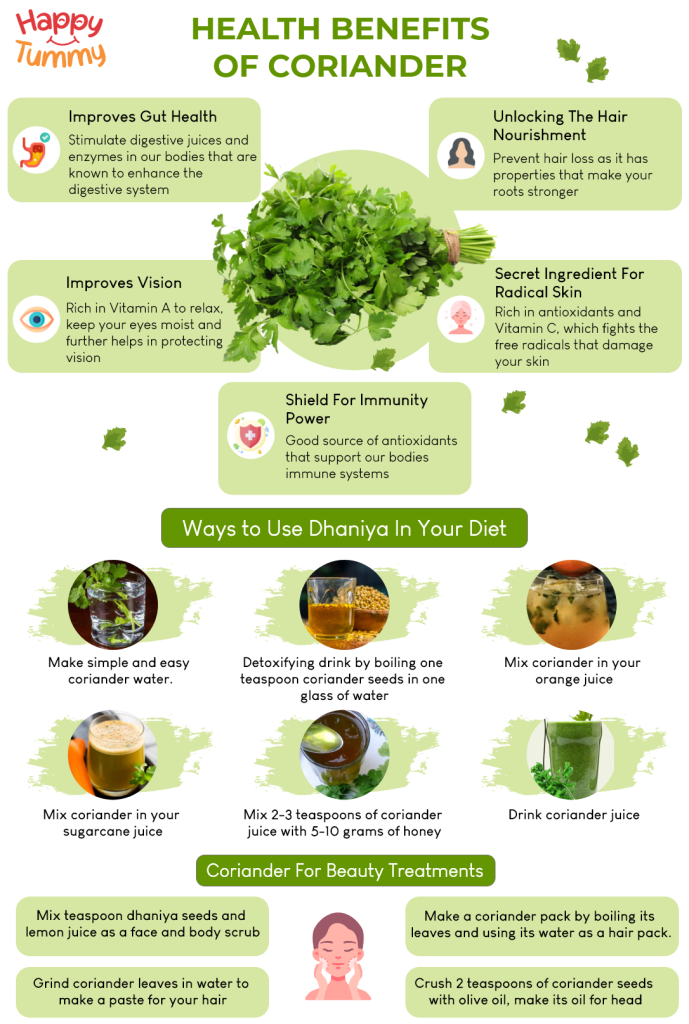
Fresh coriander leaves are an excellent source of vitamin K, essential for blood clotting and bone health, and a good source of vitamin A (in the form of beta-carotene) and vitamin C, both powerful antioxidants. They also provide folate, manganese, potassium, iron, and dietary fibre. Coriander seeds, while differing slightly in their micronutrient profile, are particularly rich in dietary fibre, iron, magnesium, and manganese.
Phytochemical Powerhouse:
The true magic of coriander, however, lies in its complex array of phytochemicals – bioactive plant compounds that contribute significantly to its medicinal properties.
-
Antioxidants: Coriander is brimming with phenolic compounds, including quercetin, kaempferol, rhamnetin, apigenin, and luteolin. These powerful antioxidants combat oxidative stress by neutralizing free radicals, thereby protecting cells from damage, reducing inflammation, and potentially lowering the risk of chronic diseases such such as heart disease, cancer, and neurodegenerative disorders. The vibrant green of the leaves is a visual cue to this rich antioxidant content.
-
Volatile Oils: Both leaves and seeds contain a significant concentration of volatile organic compounds, or essential oils, which are responsible for their distinctive aroma and many of their therapeutic actions. Key compounds include:
- Linalool: A primary component, particularly in the leaves, known for its sedative, anxiolytic, and anti-inflammatory properties. It also contributes significantly to coriander’s antimicrobial effects.
- Geraniol: Found in both leaves and seeds, with demonstrated antioxidant and anti-inflammatory activities.
- Coriandrin: A unique compound found in coriander, showing promise in anti-cancer research.
- Borneol, Camphene, Terpene, p-Cymene, Alpha-Pinene, Gamma-Terpinene: These collectively contribute to the plant’s carminative (gas-reducing), antispasmodic, and antimicrobial actions.
-
Fatty Acids: Coriander seeds are particularly rich in healthy fatty acids, notably petroselinic acid, linoleic acid (an omega-6 essential fatty acid), and oleic acid (an omega-9 monounsaturated fatty acid). These contribute to cardiovascular health and inflammation modulation.
Key Health Benefits Unlocked by These Compounds:
-
Digestive Dynamo: Perhaps coriander’s most historically recognized benefit is its profound impact on digestion. The volatile oils, particularly linalool and borneol, act as antispasmodics, relaxing the smooth muscles of the digestive tract. This helps alleviate bloating, gas, and indigestion. It also stimulates the production of digestive enzymes and juices, improving appetite and efficient nutrient absorption. Its carminative properties make it a go-to remedy for post-meal discomfort.
-
Anti-inflammatory Agent: Chronic inflammation is a silent perpetrator behind many modern diseases. Coriander’s rich antioxidant and volatile oil content actively reduces systemic inflammation, offering protective benefits against conditions like arthritis, irritable bowel syndrome, and even certain autoimmune disorders.
-
Blood Sugar Regulation: Emerging research suggests that coriander seeds, in particular, may possess hypoglycemic properties. Studies indicate that extracts of coriander seeds can help stimulate insulin secretion and enhance insulin sensitivity, thereby aiding in the management of blood sugar levels. This makes it a promising dietary adjunct for individuals managing or at risk of type 2 diabetes.
-
Cardiovascular Champion: Coriander seeds have been shown to help lower levels of "bad" LDL cholesterol and triglycerides while potentially increasing "good" HDL cholesterol. The presence of potassium also contributes to blood pressure regulation by counteracting the effects of sodium. Its antioxidant profile further protects the heart by preventing oxidative damage to blood vessels.
-
Antimicrobial Powerhouse: The essential oils in coriander, especially linalool, exhibit potent antibacterial, antifungal, and antiseptic properties. This makes coriander effective against various pathogens, including Salmonella and E. coli, contributing to food safety and potentially aiding in the fight against infections. It can also support oral health by combating bacteria responsible for bad breath and gum disease.
-
Neuroprotective Potential: The robust antioxidant and anti-inflammatory actions of coriander extend to the brain. By reducing oxidative stress and inflammation in neural tissues, coriander may offer protective benefits against neurodegenerative diseases like Alzheimer’s and Parkinson’s, and support overall cognitive function.
-
Detoxification Support (with nuance): While some claims about coriander being a heavy metal chelator are often overstated in popular media, its rich antioxidant profile and ability to support liver function through its detoxification pathways contribute to the body’s natural cleansing processes. It aids in flushing out toxins and metabolic waste products, promoting overall vitality.
Understanding this intricate interplay of compounds and their physiological effects elevates coriander from a mere kitchen ingredient to a powerful, evidence-backed ally in the pursuit of optimal health. With this foundation laid, let us now turn our attention to the practical art of integrating this verdant powerhouse into our daily routines.
The Five Easy Ways: Each a Chapter in the Culinary Journey
Integrating coriander for maximum health benefits isn’t about drastic changes; it’s about mindful incorporation, understanding how different preparations unlock different facets of its power. Here are five accessible yet profound ways to weave coriander into your daily life, each offering a unique pathway to wellness.
Way 1: The Daily Green Infusion – Fresh Coriander in Smoothies and Juices
Imagine starting your day not just with sustenance, but with a deliberate infusion of vitality, a verdant kickstart to your cellular machinery. This is the promise of incorporating fresh coriander leaves and stems into your morning smoothies and juices. This method is perhaps the most direct route to maximizing the intake of raw, heat-sensitive nutrients and antioxidants that fresh coriander so richly provides.
How to Do It:
Simply add a generous handful (approximately ¼ to ½ cup) of fresh, washed coriander leaves and tender stems to your blender along with your preferred fruits, vegetables, liquids (water, coconut water, almond milk), and other superfoods. For juicing, feed it through with your other greens and apples. The key is to use it raw to preserve its full spectrum of vitamins, particularly vitamin C and K, and delicate volatile compounds that might be diminished by cooking.
Specific Health Benefits Amplified by This Method:
- Maximum Antioxidant Delivery: By consuming coriander raw, you ensure that heat-sensitive antioxidants like vitamin C, and many of the delicate phenolic compounds, remain intact and highly bioavailable. This provides a potent shield against oxidative stress from the moment you begin your day.
- Enhanced Detoxification Support: The chlorophyll in fresh greens, combined with coriander’s inherent detoxifying properties, supports liver function and aids in the gentle elimination of toxins. The hydration provided by smoothies and juices further assists this process.
- Improved Digestive Readiness: Starting your day with raw greens and their enzymes can prime your digestive system, making it more efficient throughout the day. Coriander’s carminative effects can help prevent morning bloating and prepare the gut for subsequent meals.
- Nutrient Density in a Sip: For those with busy mornings, a coriander-infused smoothie is an efficient way to pack a significant nutritional punch, delivering vitamins, minerals, and fibre in an easily digestible format.
Story Element: "Waking Up the Body." Envision the vibrant green liquid as a sunrise for your internal landscape, flooding your cells with light and energy. It’s a conscious choice to nourish, to invigorate, to set a tone of wellness for the hours ahead. The subtle, fresh notes of coriander dance with fruit and vegetable sweetness, creating a symphony of flavours that awaken the senses.
Examples & Variations:
- Tropical Coriander Smoothie: Blend fresh coriander with mango, pineapple, banana, coconut water, and a squeeze of lime.
- Green Detox Juice: Combine coriander with cucumber, celery, green apple, ginger, and lemon.
- Berry & Coriander Blast: Mix coriander with mixed berries, spinach, a scoop of protein powder, and unsweetened almond milk.
- Tips: If you’re new to the taste, start with a smaller amount and gradually increase. Pair it with sweeter fruits or stronger flavours like ginger or lemon to balance its distinctive profile.
Way 2: The Aromatic Alchemy – Toasted & Ground Coriander Seeds in Spice Blends and Baking
While fresh leaves offer vibrant freshness, coriander seeds are a realm unto themselves, a repository of different compounds and a deeper, earthier flavour profile. Toasted and ground, they undergo an aromatic alchemy, transforming into a versatile spice that anchors countless dishes and delivers a concentrated dose of distinct health benefits.
How to Do It:
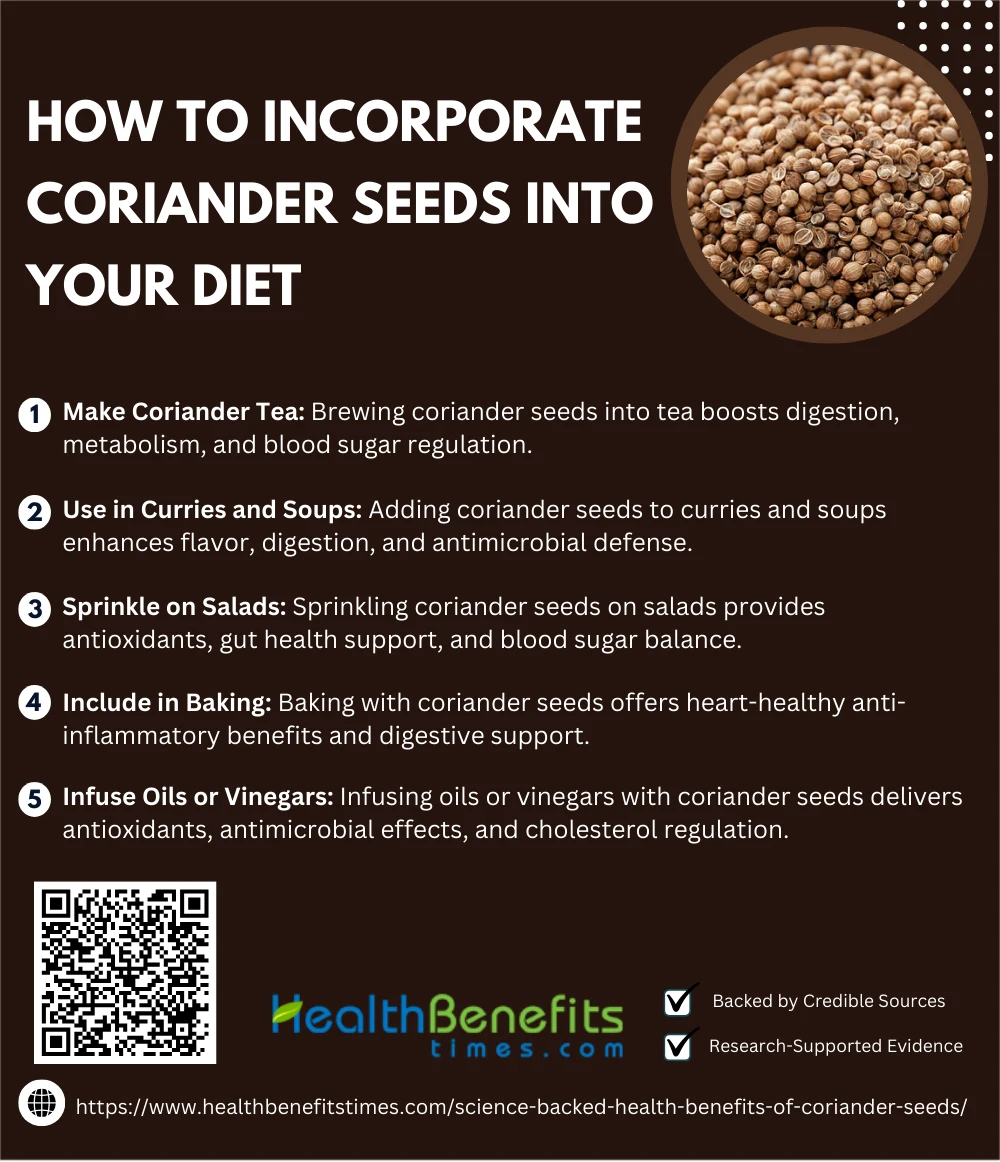
The key to unlocking the full potential of coriander seeds is dry roasting. Place whole coriander seeds in a dry skillet over medium heat, stirring frequently, until they become fragrant and slightly darker, about 2-3 minutes. Be careful not to burn them. Once cooled, grind them in a spice grinder or with a mortar and pestle to a fine powder. This process intensifies their essential oils and deepens their flavour. Incorporate this freshly ground powder into spice blends like garam masala, curry powders, rubs for meats or vegetables, or even savory baking.
Specific Health Benefits Amplified by This Method:
- Enhanced Digestive Enzyme Stimulation: The volatile oils in coriander seeds, intensified by toasting, are powerful stimulants for digestive enzymes, making them exceptionally effective as a carminative. They are particularly adept at alleviating gas, bloating, and indigestion after rich meals.
- Targeted Blood Sugar Regulation: Research on coriander seeds specifically highlights their role in blood sugar management. The fibre and certain compounds in the seeds are thought to help stimulate insulin secretion and lower glucose levels, making them a valuable addition for metabolic health.
- Heart Health Support: Coriander seeds are a good source of dietary fibre, which helps lower cholesterol. They also contain linoleic acid, oleic acid, and petroselinic acid, healthy fatty acids that contribute to cardiovascular well-being.
- Long-Lasting Antimicrobial Action: The concentrated essential oils in the seeds provide robust antimicrobial properties, which historically contributed to their use in food preservation and can help combat foodborne pathogens.
Story Element: "Transforming the Mundane." This method speaks to the art of culinary transformation, taking a simple seed and, through fire and friction, coaxing out its hidden depths. It’s about building flavour from the ground up, a metaphor for building health through foundational, mindful choices. The aroma that fills your kitchen during roasting is a sensory prelude to the nourishment that awaits.
Examples & Variations:
- Homemade Garam Masala: Combine toasted and ground coriander with cumin, cardamom, cloves, cinnamon, and black pepper for a foundational Indian spice blend.
- Coriander-Crusted Salmon: Mix ground coriander with salt, pepper, and a touch of paprika to create a flavorful crust for baked or pan-seared salmon.
- Savory Scones or Breads: Fold ground coriander into the dough for savory scones, flatbreads, or even homemade whole-wheat bread for an unexpected aromatic twist.
- Chai Spice Blend: Add ground coriander to your homemade chai blend alongside ginger, cardamom, cinnamon, and fennel for a warming, digestive-friendly beverage.
Way 3: The Zesty Zing – Coriander in Dressings, Sauces, and Marinades
Sometimes, the simplest additions yield the most profound results. Integrating fresh coriander into dressings, sauces, and marinades is a brilliant way to infuse meals with a burst of flavour, vibrant colour, and a potent dose of its raw, beneficial compounds, without overpowering other ingredients. This method allows coriander to act as a flavour enhancer and a nutritional amplifier simultaneously.
How to Do It:
Finely chop fresh coriander leaves and tender stems and incorporate them directly into your homemade vinaigrettes, pestos, chutneys, salsas, and marinades. The fresh herb marries beautifully with acidic components like lime juice, vinegar, or yogurt, creating bright, zesty concoctions.
Specific Health Benefits Amplified by This Method:
- Enhanced Bioavailability of Nutrients: When used in dressings, particularly those with a healthy fat base (like olive oil), the fat-soluble vitamins (A, K) and antioxidants in coriander can be more readily absorbed by the body.
- Flavor Elevation, Reduced Sodium/Fat: Coriander’s vibrant, complex flavour allows you to reduce reliance on excessive salt or unhealthy fats in your dressings and sauces, leading to healthier culinary outcomes without sacrificing taste.
- Fresh Antioxidant Boost: Adding fresh coriander at this stage ensures a high concentration of its raw antioxidants directly into your meal, ready to combat oxidative stress.
- Digestive Harmony with Every Bite: The enzymes and volatile oils in fresh coriander work to aid digestion even before the main course is consumed, preparing the stomach and contributing to overall gut comfort.
Story Element: "Elevating the Everyday." This is about turning ordinary meals into extraordinary experiences. A simple salad becomes a vibrant spectacle, a piece of grilled chicken transforms into a gourmet delight. It’s the subtle art of making healthy choices feel luxurious and effortless.
Examples & Variations:
- Coriander-Lime Vinaigrette: Blend fresh coriander, lime juice, olive oil, a touch of honey or maple syrup, garlic, and a pinch of salt for a bright dressing perfect for salads or grilled vegetables.
- Chimichurri with a Twist: Add a generous amount of fresh coriander to traditional chimichurri (parsley, garlic, oregano, red wine vinegar, olive oil) for an extra layer of herbaceous complexity. Excellent with grilled meats or roasted potatoes.
- Mint-Coriander Chutney: A staple in Indian cuisine, this fresh chutney blends coriander, mint, green chillies, ginger, and lemon juice. A perfect accompaniment to snacks or curries.
- Salsa Verde: A robust salsa made with tomatillos, jalapeños, onions, and a generous amount of fresh coriander, ideal for tacos, eggs, or grilled fish.
- Yogurt-Coriander Marinade: Mix chopped coriander with plain yogurt, ginger-garlic paste, and spices for a tenderizing and flavourful marinade for chicken or paneer.
Way 4: The Soothing Brew – Coriander Seed Tea and Infusions
Sometimes, the body craves solace, a gentle warmth that soothes and heals from within. Coriander seed tea or infusion offers precisely this – a time-honoured remedy, particularly revered in traditional medicine systems, for targeted digestive relief and a calming effect on the system. It’s an easy, comforting way to absorb the beneficial compounds of the seeds.
How to Do It:
For a simple coriander seed tea, gently crush 1-2 teaspoons of whole coriander seeds (this helps release their essential oils) and steep them in a cup of hot water for 5-10 minutes. Strain and enjoy. You can also make a cold infusion by soaking crushed seeds in water overnight in the refrigerator, straining, and drinking the next day. This method can also be applied to fresh coriander leaves, though the flavour profile and dominant benefits will differ slightly.
Specific Health Benefits Amplified by This Method:
- Targeted Digestive Relief: This is where coriander seed tea truly shines. Its carminative and antispasmodic properties are highly effective in alleviating acute symptoms of indigestion, gas, bloating, and stomach cramps. It acts quickly to bring comfort.
- Gentle Detoxification and Diuretic Effect: Coriander tea has mild diuretic properties, helping the body flush out excess fluids and toxins, supporting kidney function without being overly harsh.
- Anti-inflammatory and Calming: The warmth of the tea combined with the anti-inflammatory compounds in the seeds can help soothe an irritated digestive tract and provide a general sense of calm and well-being.
- Blood Sugar Support in a Beverage: Consuming coriander seeds as a tea is an excellent way to consistently incorporate their blood sugar-regulating properties, making it a valuable addition for those monitoring glucose levels.
Story Element: "A Calming Ritual." This method invites us to slow down, to engage in a mindful act of self-care. It’s the ritual of brewing, the steam carrying the earthy aroma, the first warm sip that brings a sense of comfort and healing. It connects us to ancient wisdom, to generations who found solace and remedy in a simple cup.
Examples & Variations:
- Simple Digestive Tea: Just crushed coriander seeds steeped in hot water. Add a slice of ginger or a squeeze of lemon for an extra boost.
- Ayurvedic Cooling Tea: Combine coriander seeds with fennel seeds and cumin seeds (CCF tea) for a classic Ayurvedic blend known to balance pitta (fire element) and aid overall digestion.
- Iced Coriander Infusion: Perfect for warm weather, a cold infusion of coriander seeds is refreshing and still delivers digestive benefits.
- Post-Meal Comfort: Drink a cup of warm coriander tea after a heavy meal to facilitate digestion and prevent discomfort.
Way 5: The Culinary Chameleon – Coriander as a Garnish and Flavor Finisher
Often underestimated, the simple act of garnishing with fresh coriander leaves just before serving is not merely for aesthetic appeal; it is a strategic culinary move that maximizes both flavour and nutrient delivery. This method ensures that the most delicate, heat-sensitive compounds and the freshest, brightest notes of coriander are preserved and experienced at their peak.
How to Do It:
Always add freshly chopped coriander leaves at the very end of cooking, or directly onto the plate just before serving. Avoid adding it too early in the cooking process, as prolonged heat can diminish its vibrant colour, delicate flavour, and some of its potent, volatile antioxidants and vitamins.
Specific Health Benefits Amplified by This Method:
- Preserved Delicate Nutrients: By adding coriander as a finisher, you protect its heat-sensitive vitamin C, many volatile oils, and delicate antioxidants from degradation, ensuring maximum nutritional impact.
- Fresh Burst of Antioxidants: Each bite garnishing with fresh coriander delivers a direct, potent dose of raw antioxidants, acting as a final protective flourish to your meal.
- Enhanced Sensory Experience: The visual appeal of fresh green, combined with the immediate olfactory and gustatory impact of its bright, citrusy notes, significantly enhances the overall enjoyment of a dish, contributing to mindful eating.
- Synergistic Flavor Pairing: Coriander’s fresh taste acts as a natural complement and brightener to a wide array of dishes, cutting through richness, adding depth to mild flavours, and harmonizing complex spice profiles.
Story Element: "The Final Flourish." This is about the art of perfection, the last stroke of the brush that completes a masterpiece. It’s the moment where a dish truly comes alive, not just in flavour, but in its ability to nourish and delight on multiple levels. It’s a small gesture with significant impact.
Examples & Variations:
- Garnishing Soups and Stews: A sprinkle of fresh coriander over a lentil dahl, a chicken tortilla soup, or a vibrant curry adds freshness and depth.
- Tacos and Wraps: Essential for fish tacos, chicken fajitas, or bean burritos, fresh coriander provides that signature bright, zesty counterpoint.
- Curries and Dahls: A generous scattering over a simmering curry or a bowl of creamy dahl before serving is non-negotiable for many cuisines.
- Avocado Toast and Salads: A vibrant addition to avocado toast, or mixed into a fresh green salad for an extra layer of flavour and nutrients.
- Rice Dishes: Stirred into a fragrant pilaf or biryani just before serving.
Considerations for the Knowledgeable Consumer
While coriander is a remarkably safe and beneficial herb for most, a knowledgeable approach includes understanding nuances and practicalities.
Sourcing and Storage:
- Fresh Leaves: Look for vibrant green, crisp leaves without yellowing or wilting. Store them like a bouquet in a glass of water, covered loosely with a plastic bag, in the refrigerator, changing the water daily. They can last up to a week.
- Coriander Seeds: Purchase whole seeds and store them in an airtight container in a cool, dark place. Grinding them fresh, as needed, preserves their volatile oils and potency far better than buying pre-ground powder.
- Organic Matters: Opting for organic coriander minimizes exposure to pesticides and herbicides, especially when consuming leaves directly.
The "Soap Gene":
As previously mentioned, a genetic variation causes some individuals to perceive fresh coriander (cilantro) as having a soapy or metallic taste. This is due to specific olfactory receptor genes (OR6A2) that detect aldehyde compounds present in the herb. If you fall into this category, don’t despair!
- Embrace the Seeds: Coriander seeds have a vastly different flavour profile, lacking the aldehydes responsible for the "soapy" taste. Focus on incorporating the seeds, which offer a distinct set of health benefits.
- Cooked Coriander: Cooking fresh coriander can alter its chemical composition, often diminishing the "soapy" notes. Try adding it earlier in slow-cooked dishes.
- Combine with Strong Flavors: Pairing fresh coriander with strong, acidic flavours like lime, chili, or garlic can sometimes mask the undesirable taste for those with mild aversion.
Dosage and Moderation:
While coriander is generally considered safe and beneficial in culinary amounts, balance is key. The recommended ways above encourage mindful integration into a diverse diet, rather than excessive consumption of isolated extracts, which may not always be necessary or advisable without professional guidance.
Potential Interactions:
For most people, culinary amounts of coriander are unlikely to cause significant interactions. However, for individuals on specific medications, it’s always wise to consult a healthcare professional:
- Blood Thinners (Anticoagulants): Fresh coriander is rich in vitamin K, which plays a role in blood clotting. While culinary amounts are generally not a concern, very high, concentrated intake could theoretically interfere with blood-thinning medications like warfarin.
- Diabetes Medications: Due to its potential to lower blood sugar, individuals on diabetes medication should monitor their blood sugar levels carefully if significantly increasing coriander intake, to avoid hypoglycemia.
Conclusion: The Unfolding Story of a Humble Herb
Our journey through the world of coriander has revealed a narrative far richer and more profound than its humble appearance might suggest. From its ancient origins as a sacred herb in pharaohs’ tombs to its pivotal role in global cuisines and its meticulous validation by modern scientific inquiry, coriander stands as a testament to nature’s enduring wisdom.
We have explored the intricate symphony of its phytochemicals, understanding why this unassuming plant offers such a powerful array of health benefits – from bolstering digestive health and regulating blood sugar to fighting inflammation and protecting our cells from oxidative stress. And crucially, we have unveiled five practical, accessible, and delicious pathways to weave this botanical marvel into the tapestry of your daily life: the invigorating green infusion, the aromatic alchemy of toasted seeds, the zesty brightness of sauces and dressings, the soothing comfort of herbal teas, and the final, vibrant flourish of a fresh garnish.
Each method is not merely a recipe; it is an invitation to engage more deeply with your food, to appreciate the interplay of flavour and function, and to consciously choose ingredients that nourish your body and delight your senses. For the knowledgeable individual, this understanding transforms the act of eating into an act of mindful wellness, a continuous story of discovery and self-care.
Embrace the verdant whisper of coriander. Let it be more than just an ingredient; let it be a consistent, cherished ally in your pursuit of vibrant health. In its delicate leaves and potent seeds lies a world of flavour, a legacy of healing, and a simple, powerful key to unlocking maximum well-being. The story of coriander continues, one nourishing bite and soothing sip at a time, echoing through kitchens and bodies, a timeless ode to nature’s profound generosity.