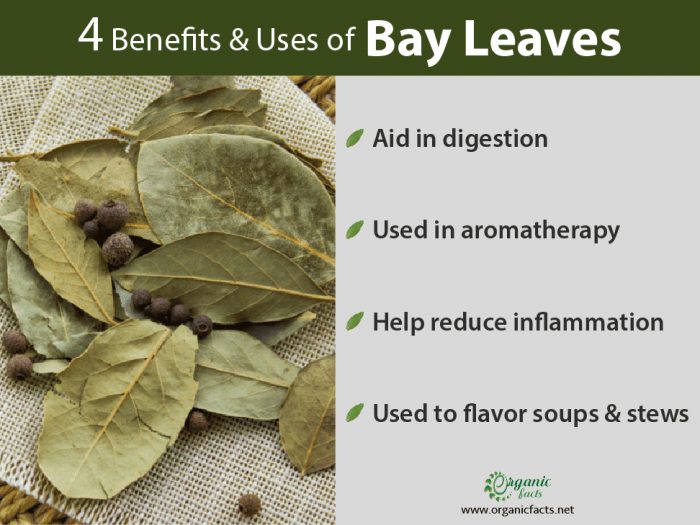
The Humble Herb with Huge Benefits: What Bay Leaves Can Do for Your Health
In the grand tapestry of human civilization, few plants have woven themselves as deeply into our culinary traditions, symbolic lexicon, and medicinal lore as the bay leaf. Often dismissed as a mere aromatic accent, a forgotten whisper in the pot of a simmering stew, Laurus nobilis – the true bay laurel – holds a secret far grander than its unassuming presence suggests. From the laurel wreaths crowning emperors and poets of antiquity to the subtle depth it lends to countless modern dishes, the bay leaf has always been more than just a flavor enhancer. It is a humble herb, imbued with a complex alchemy of compounds, offering a trove of health benefits that are increasingly being validated by contemporary science. This is the story of the bay leaf, a narrative that stretches from ancient groves to the frontiers of modern wellness, revealing it as a true powerhouse of natural healing.
The Verdant Veil: A Journey Through Time and Taste
Imagine the sun-drenched hills of the Mediterranean, where the bay laurel tree thrives, its glossy, dark green leaves catching the light. For millennia, this tree has been revered. In ancient Greece, the laurel was sacred to Apollo, symbolizing victory, wisdom, and prophecy. Oracles at Delphi chewed bay leaves to induce visions, while heroes and scholars were crowned with wreaths of its foliage. The Romans adopted this tradition, bestowing laurel wreaths upon triumphant generals, emperors, and Olympic victors – the very origin of terms like "baccalaureate" and "poet laureate." This rich history underscores a deeper understanding of the plant’s potency, hinting at its profound effects on both mind and body, long before the advent of modern chemistry.
Yet, despite its storied past, for many, the bay leaf remains an enigmatic player in the kitchen. Its unique aroma, a delicate blend of floral, slightly minty, and subtly piney notes, is distinctive but not overpowering. It doesn’t dominate a dish; rather, it elevates it, providing a foundational aroma that binds other flavors together, adding a layer of sophisticated warmth and depth. From French bouillabaisse and Indian curries to hearty American stews and delicate Italian sauces, the bay leaf is a silent workhorse, an essential component in global cuisines. Its culinary role, however, is merely the most visible facet of its immense value. The true magic of the bay leaf, its "huge benefits," lies hidden within its chemical composition, a veritable alchemist’s brew of phytochemicals waiting to be unveiled.
The Alchemist’s Brew: Unpacking the Phytochemical Riches
The secret to the bay leaf’s remarkable health benefits is found in its intricate chemical profile. Far from being a simple green leaf, Laurus nobilis is a botanical pharmacy, packed with an astonishing array of volatile organic compounds, flavonoids, tannins, and essential minerals. It is the synergistic interaction of these components that gives the bay leaf its formidable power.
Among the most significant constituents are its volatile oils, also known as essential oils, which contribute to both its distinctive aroma and its therapeutic effects. These include:
- Eugenol: A potent antioxidant and anti-inflammatory compound, also known for its antiseptic and analgesic properties. It’s often associated with cloves but is present in bay leaves too.
- Linalool: A terpene alcohol that contributes to the bay leaf’s floral scent and is recognized for its sedative, anxiolytic (anti-anxiety), and anti-inflammatory effects.
- Myrcene: Another terpene, found in many aromatic plants, known for its anti-inflammatory and analgesic properties.
- Alpha-Pinene and Beta-Pinene: These terpenes give bay leaves a subtle pine-like note and possess anti-inflammatory and bronchodilator properties.
- 1,8-Cineole (Eucalyptol): A powerful compound often associated with eucalyptus, known for its expectorant, anti-inflammatory, and antimicrobial properties, particularly beneficial for respiratory health.
Beyond these aromatic powerhouses, bay leaves also contain:
- Flavonoids: Such as quercetin and kaempferol, which are renowned for their potent antioxidant and anti-inflammatory capabilities, protecting cells from damage.
- Tannins: These compounds give the leaves a slightly astringent quality and contribute to their antimicrobial and antioxidant effects.
- Vitamins and Minerals: While not present in quantities that would make bay leaves a primary source, they do contain small amounts of Vitamin A, Vitamin C, B vitamins (folates, niacin, riboflavin), and minerals like iron, potassium, calcium, magnesium, manganese, and zinc, all contributing to overall nutritional support.
It is this complex interplay of compounds, rather than any single "miracle" ingredient, that underpins the bay leaf’s diverse medicinal applications. Each component plays a role, creating a holistic effect that makes the whole far greater than the sum of its parts.
A Symphony of Wellness: Delving into Health Benefits
The rich chemical composition of bay leaves translates into a wide spectrum of health benefits, many of which have been passed down through generations of traditional medicine and are now increasingly being explored and validated by modern scientific research.
A. The Gut’s Gentle Guardian: Digestive Health
One of the most ancient and widely recognized uses of bay leaves is as a digestive aid. From easing indigestion to reducing flatulence, its carminative properties are well-documented in traditional practices. The volatile compounds, particularly cineole and eugenol, are thought to stimulate digestive enzymes and promote the efficient breakdown of food. This can alleviate discomfort, reduce bloating, and help prevent the buildup of gas in the gastrointestinal tract. Furthermore, the fiber content in bay leaves, albeit small when consumed in typical culinary quantities, contributes to gut regularity and overall digestive well-being. By facilitating smoother digestion, bay leaves help the body absorb nutrients more effectively and maintain a healthy gut environment, which is increasingly recognized as central to overall health.
B. Quelling the Internal Fire: Anti-inflammatory Prowess
Chronic inflammation is now understood to be a silent driver behind many modern diseases, from cardiovascular issues and diabetes to neurodegenerative disorders and certain cancers. Bay leaves offer a natural weapon in the fight against this internal fire. Their robust profile of anti-inflammatory compounds, including flavonoids like quercetin and kaempferol, along with eugenol and linalool, works by modulating various inflammatory pathways in the body. Research suggests these compounds can inhibit enzymes like COX-2, which are responsible for producing inflammatory mediators, effectively dampening the inflammatory response. This makes bay leaves a potential natural remedy for conditions characterized by inflammation, such as arthritis, muscle aches, and even general systemic inflammation that might not manifest as overt pain. Incorporating bay leaves into your diet can be a subtle yet powerful strategy to mitigate inflammatory processes and support long-term health.
C. Shielding Against the Storm: Potent Antioxidant Activity
In an age where our bodies are constantly bombarded by environmental toxins, stress, and processed foods, oxidative stress is a pervasive threat. Free radicals, unstable molecules generated by various metabolic processes and external factors, can damage cellular structures, accelerate aging, and contribute to the development of chronic diseases. Bay leaves are veritable powerhouses of antioxidants. The high concentration of flavonoids and phenolic acids, along with vitamins C and A, enables them to effectively neutralize free radicals. These antioxidants act as cellular shields, protecting DNA, proteins, and lipids from oxidative damage. By scavenging these harmful molecules, bay leaves contribute to cellular repair and regeneration, supporting the body’s natural defense mechanisms against aging and disease. This antioxidant prowess is a cornerstone of many of its other health benefits, laying the groundwork for improved cardiovascular health, reduced cancer risk, and enhanced overall vitality.
D. The Sweet Balance: Blood Sugar Regulation
One of the more exciting areas of emerging research into bay leaves is their potential role in blood sugar management, particularly for individuals with type 2 diabetes. Several studies suggest that polyphenols found in bay leaves may help improve insulin sensitivity, thereby facilitating the more efficient uptake of glucose by cells and reducing blood sugar levels. Specific compounds like catechins and eugenol have been implicated in these effects. By influencing the activity of certain enzymes involved in glucose metabolism, bay leaves may help mitigate post-meal glucose spikes and contribute to more stable blood sugar control. While bay leaves are not a substitute for prescribed diabetes medication, their regular consumption as part of a balanced diet could serve as a valuable supportive therapy for managing this chronic condition, always under the guidance of a healthcare professional.
E. The Heart’s Ally: Cardiovascular Support
Given their anti-inflammatory and antioxidant properties, it’s no surprise that bay leaves offer significant benefits for cardiovascular health, the bedrock of longevity. The antioxidants protect blood vessels from damage caused by oxidative stress and inflammation, which are key contributors to atherosclerosis (hardening of the arteries). Furthermore, the fiber in bay leaves can help reduce levels of LDL ("bad") cholesterol by binding to bile acids in the digestive tract, facilitating their excretion. The presence of potassium, a vital electrolyte, helps regulate blood pressure by counteracting the effects of sodium and promoting vasodilation (the widening of blood vessels). By supporting healthy cholesterol levels, reducing inflammation in the arteries, and helping to maintain optimal blood pressure, bay leaves play a multifaceted role in nurturing the body’s most vital pump, reducing the risk of heart disease and stroke.
F. A Breath of Fresh Air: Respiratory Relief
For centuries, bay leaves have been used in traditional remedies to alleviate respiratory ailments, from common colds and coughs to more persistent conditions like bronchitis. The key compound responsible for many of these benefits is 1,8-cineole (eucalyptol). This powerful ingredient is a well-known expectorant, helping to loosen and expel mucus from the respiratory passages, thereby clearing congestion and making breathing easier. Its anti-inflammatory properties also soothe irritated airways, reducing the inflammation that often accompanies respiratory infections. Bay leaf essential oil, when diluted and applied as a chest rub or diffused, can provide significant relief from nasal congestion, coughs, and sore throats, offering a natural and aromatic pathway to clearer breathing.
G. Nature’s Disinfectant: Antimicrobial and Antifungal Properties
The protective compounds within bay leaves extend their benefits to defending the body against microbial invaders. The essential oils, particularly eugenol and linalool, exhibit broad-spectrum antimicrobial activity against various bacteria and fungi. This property has historically been recognized in traditional food preservation methods, where bay leaves were used to inhibit spoilage. Internally, this antimicrobial action can help the body combat infections and support a healthy microbial balance. While not a replacement for antibiotics in serious infections, regular consumption can contribute to a stronger internal defense system. Topically, diluted bay leaf preparations have been traditionally used for minor wounds and skin infections, leveraging their antiseptic qualities.
H. Easing the Ache: Analgesic Effects
Beyond their anti-inflammatory capabilities, bay leaves also possess mild analgesic (pain-relieving) properties. Eugenol, known for its numbing effect, contributes to this, and the overall reduction in inflammation translates directly into reduced pain signals. This makes bay leaves a natural candidate for alleviating various types of discomfort, including headaches, muscle aches, and joint pain. Whether consumed as part of a meal or applied topically in an infused oil, the compounds in bay leaves work synergistically to provide a gentle balm for everyday aches, offering a natural alternative or complement to over-the-counter pain relievers.
I. The Calm Within: Stress Reduction and Anxiolytic Effects
In the hustle and bustle of modern life, finding moments of calm is crucial. Bay leaves, with their aromatic complexity, offer a surprising pathway to tranquility. Traditional medicine has long utilized bay leaves as a mild sedative and nerve tonic. Modern research has begun to pinpoint the compound linalool as a key player in these anxiolytic (anti-anxiety) and sedative effects. Studies have shown that linalool can interact with neurotransmitters, promoting relaxation and reducing feelings of stress and anxiety. The very act of inhaling the warm, comforting scent of bay leaves in a simmering dish or diffusing its essential oil can have a profound calming effect on the nervous system, helping to ease tension and promote a sense of well-being. It’s a testament to the holistic power of nature, where aroma and chemistry combine to soothe the mind.
J. Beyond the Body: Skin and Hair Vitality
The benefits of bay leaves aren’t confined to internal health; they also extend to enhancing external beauty. The rich antioxidant content helps protect skin cells from damage caused by free radicals and environmental stressors, contributing to a more youthful and radiant complexion. Its antimicrobial properties can also be beneficial for addressing skin issues like acne and certain scalp conditions. Traditionally, bay leaf infusions have been used as hair rinses, believed to stimulate hair follicles, promote hair growth, and add shine. The anti-inflammatory effects can also soothe an irritated scalp, creating a healthier environment for hair to thrive. Whether incorporated into DIY beauty treatments or simply enjoyed in the diet, bay leaves offer a natural boost to skin and hair vitality.
K. A Glimmer of Hope: Potential Anti-Cancer Effects
While research is still in its nascent stages and largely confined to in vitro (test tube) and animal studies, there is a growing body of evidence suggesting that bay leaves may possess anti-cancer properties. The robust presence of antioxidants, particularly flavonoids, along with other phytochemicals, is believed to play a role in inhibiting the proliferation of cancer cells and inducing apoptosis (programmed cell death) in various cancer lines. These compounds may also protect healthy cells from DNA damage, thereby potentially reducing the risk of cancer initiation. It’s crucial to emphasize that this is an area requiring extensive human clinical trials, and bay leaves are by no means a cure for cancer. However, their inclusion in a diet rich in diverse plant-based foods, known for their chemopreventive properties, aligns with a proactive approach to health and disease prevention.
From Lore to Lab: Bridging Tradition and Modern Science
The journey of the bay leaf from ancient lore to modern scientific scrutiny is a compelling narrative of validation. For centuries, its uses were based on empirical observation and inherited wisdom. The calming effect, the digestive relief, the soothing of respiratory complaints – these were known quantities within traditional healing systems. Today, advanced analytical techniques allow us to peer into the leaf’s molecular structure, identifying the specific compounds responsible for these effects and elucidating their mechanisms of action.
This bridge between tradition and science is vital. It allows us to understand why bay leaves have been revered for so long and to harness their benefits more effectively and safely. While much of the research, particularly on specific health conditions, is still preclinical or in early human trials, the consistent findings across various studies underscore the immense therapeutic potential of this humble herb. It serves as a powerful reminder that sometimes, the most potent remedies are found not in complex pharmaceutical creations, but in the natural world around us, waiting for us to rediscover and understand them.
Harnessing the Humble Herb: Practical Applications
Incorporating bay leaves into your daily life is simple, accessible, and affordable. Here are several ways to enjoy their benefits:
- Culinary Masterpiece: This is the most common and safest way. Add one or two dried bay leaves to soups, stews, braises, sauces, rice dishes, or marinades. Remember to remove the whole leaves before serving, as they are tough and indigestible. Fresh bay leaves are more pungent, so use them sparingly.
- Aromatic Infusions (Teas): For a calming digestive aid or to soothe respiratory discomfort, steep 1-2 dried bay leaves in hot water for 5-10 minutes. Strain and enjoy. You can combine them with other herbs like ginger or lemon for enhanced flavor and benefits.
- Bay Leaf Essential Oil: Highly concentrated, bay leaf essential oil should never be ingested unless under the strict guidance of a qualified aromatherapist or healthcare professional. However, it can be safely used topically when properly diluted in a carrier oil (like jojoba, almond, or coconut oil) for massage to relieve muscle aches or as a chest rub for respiratory issues. It can also be diffused for aromatherapy to promote relaxation and mental clarity.
- Topical Applications: Infuse dried bay leaves in a carrier oil over low heat for several hours to create a therapeutic oil that can be massaged onto sore joints, muscles, or an irritated scalp. A simple bay leaf poultice (crushed fresh leaves mixed with a little water) can also be applied to minor skin irritations or bruises (after patch testing).
A Word of Caution: Navigating the Nuances
While bay leaves are generally safe for most people when used in culinary amounts, it’s essential to be mindful of a few considerations:
- Identify Correctly: Always ensure you are using Laurus nobilis, the true bay laurel. Other plants are sometimes mistakenly called "bay leaves," such as California bay laurel (Umbellularia californica) or Indian bay leaf (Cinnamomum tamala), which have different properties and can sometimes be toxic if ingested in large quantities.
- Remove Whole Leaves: Whole bay leaves are tough and sharp. They do not soften significantly during cooking and are indigestible. Always remove them from dishes before serving to prevent choking hazards or gastrointestinal irritation.
- Pregnancy and Lactation: If pregnant or breastfeeding, consult your doctor before using bay leaves therapeutically or in quantities beyond typical culinary seasoning, as research in these areas is limited.
- Drug Interactions: Bay leaves may potentially interact with certain medications, particularly blood thinners (due to their potential effect on blood clotting) and diabetes medications (due to their potential to lower blood sugar). If you are on medication, discuss the therapeutic use of bay leaves with your healthcare provider.
- Allergies: While rare, allergic reactions to bay leaves can occur. If you experience any adverse symptoms, discontinue use.
- Essential Oil Safety: Bay leaf essential oil is very potent. Always dilute it properly before topical application and perform a patch test. Never ingest essential oil without expert guidance, as even small amounts can be toxic.
The Enduring Legacy: A Conclusion
The bay leaf, with its glossy green surface and subtle, sophisticated aroma, is a testament to nature’s profound wisdom. From its ancient role as a symbol of triumph and healing to its modern recognition as a treasure trove of beneficial compounds, its story is one of enduring relevance. It reminds us that often, the most powerful allies in our quest for wellness are found in the most unassuming corners of our world.
More than just a flavor enhancer, Laurus nobilis stands as a versatile culinary and medicinal herb, offering a remarkable spectrum of health benefits – from bolstering digestive health and quelling inflammation to supporting heart function, regulating blood sugar, and even soothing the mind. It is an accessible, affordable, and potent gift from the plant kingdom, waiting to be fully appreciated and thoughtfully integrated into a holistic approach to well-being. So, the next time you drop a bay leaf into your simmering pot, pause for a moment to consider the millennia of history and the universe of beneficial compounds it brings to your table. You’re not just adding flavor; you’re inviting a humble hero with huge benefits into your life.