The Go-To Guide: Unlocking the Amazing Health Benefits of Goat Milk
In a world increasingly fixated on fleeting health fads and the latest superfoods, it’s easy to overlook the wisdom embedded in ancient traditions. We chase exotic berries from distant lands or complex synthetic supplements, often forgetting the humble, time-tested staples that have nourished humanity for millennia. Among these unsung heroes, one stands out, patiently awaiting its rightful re-discovery: goat milk. It’s not just a dairy alternative; it’s a nutritional powerhouse, a testament to nature’s profound design, and for many, a gentle, potent key to unlocking a healthier, more vibrant life.
Imagine a journey, not across continents, but back through time, to the dawn of civilization. Picture nomadic tribes, their lives interwoven with their livestock, their sustenance drawn directly from the land. In this ancient tapestry, the goat emerges as a steadfast companion, providing not only meat and hide but also a milk that sustained generations, fostered resilience, and contributed to robust health long before the advent of modern medicine. This isn’t merely a nostalgic romanticism; it’s a historical truth that lays the foundation for understanding goat milk’s enduring value.
Today, as we grapple with digestive sensitivities, inflammatory conditions, and the pervasive quest for optimal well-being, the echoes of this ancient wisdom are growing louder. Scientists and nutritionists are now confirming what our ancestors instinctively knew: goat milk, with its unique composition and remarkable properties, offers a wealth of benefits that often surpass its more common bovine counterpart. This guide is an invitation to embark on a deeper exploration of goat milk – to move beyond preconceptions and embrace a food that is truly a "go-to" for holistic health.
A Legacy Etched in Time: The Enduring Story of Goat Milk
Our story truly begins not in a laboratory, but in the sun-drenched hills and rugged terrains where goats have thrived for millennia. Long before cows were domesticated for large-scale dairy production, goats were already integral to human survival. Archaeological evidence suggests that goats were among the first animals to be domesticated, around 8,000 to 9,000 BCE in the Fertile Crescent. Their adaptability, hardiness, and efficient conversion of diverse forage into nutrient-rich milk made them invaluable to early agricultural societies.
From the arid deserts of the Middle East to the mountainous regions of Europe and Asia, goat milk became a cornerstone of human diet and culture. It fueled empires, sustained families through lean times, and was often the primary source of nutrition for infants and the infirm. Legends abound, from the mythological Amalthea, the goat who nursed Zeus, to historical accounts of Roman soldiers fortifying themselves with goat cheese. Across diverse cultures – Greek, Roman, Egyptian, Celtic, and countless others – the goat was revered, and its milk, celebrated.
Even today, in many parts of the world, goat milk remains the primary dairy source. Its widespread use in traditional Mediterranean, Middle Eastern, and Asian diets speaks volumes about its sustained relevance and proven efficacy. This deep historical and cultural footprint isn’t just an interesting anecdote; it’s a powerful testament to its fundamental compatibility with human physiology and its long-standing role in fostering health and vitality. It’s a legacy that modern science is now meticulously unraveling, revealing the precise mechanisms behind its age-old reputation.
The Nutritional Blueprint: A Symphony of Goodness
To truly appreciate goat milk, we must delve into its intricate nutritional profile. It’s more than just a liquid; it’s a complex, living food, brimming with a synergistic blend of macronutrients, micronutrients, and bioactive compounds that work in harmony to support numerous bodily functions.
1. Protein Powerhouse, Uniquely Designed:
At the heart of goat milk’s appeal lies its protein composition. While similar in quantity to cow milk, the quality and structure of goat milk proteins are remarkably different and profoundly significant for human digestion.
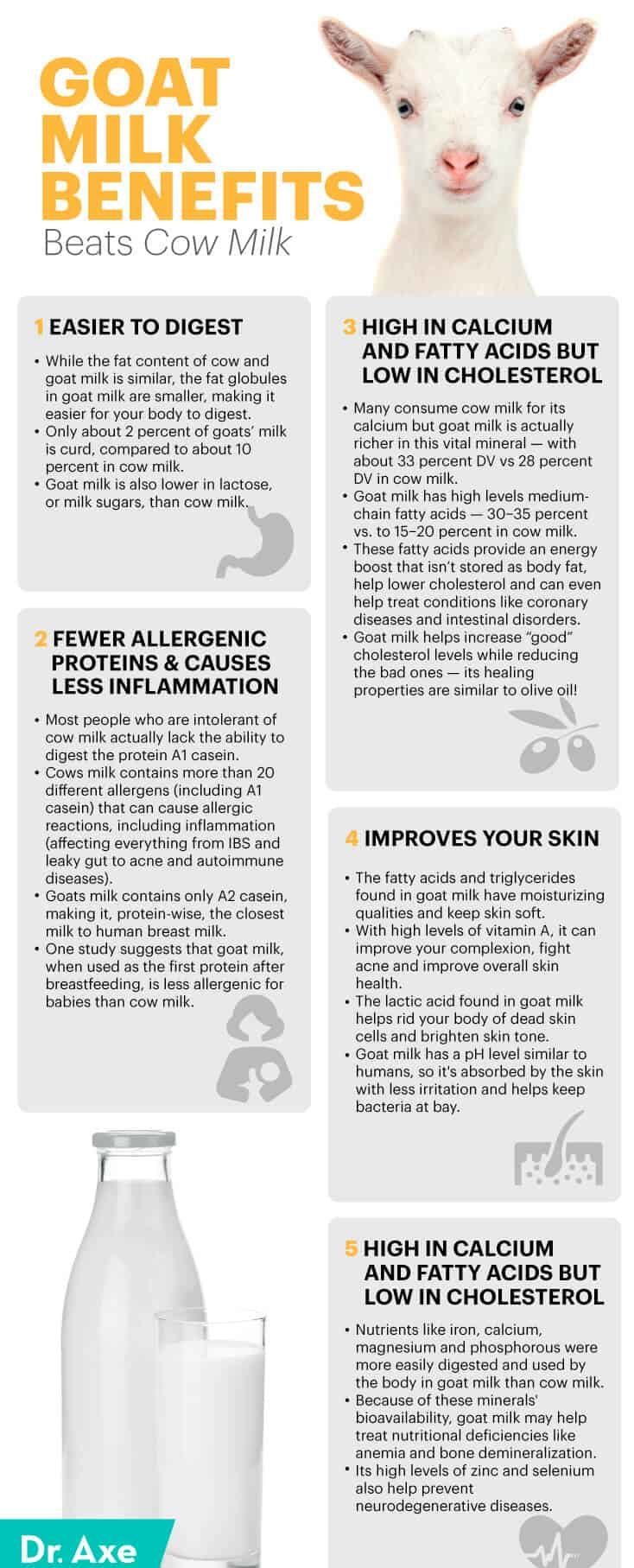
- Casein Profile: Goat milk primarily contains A2 beta-casein, similar to human breast milk, as opposed to the A1 beta-casein found in most conventional cow milk. A1 beta-casein is associated with the release of beta-casomorphin-7 (BCM-7), an opioid peptide that some research links to digestive discomfort, inflammation, and even certain health issues in sensitive individuals. The A2 beta-casein in goat milk forms a softer, looser curd in the stomach, making it easier for digestive enzymes to break down.
- Lower Alpha-s1 Casein: Goat milk has significantly lower levels of alpha-s1 casein, a major allergen in cow milk. This reduction contributes to its reputation as being less allergenic and easier to digest for many who struggle with cow dairy.
- Bioavailability: The proteins in goat milk are more readily absorbed and utilized by the human body, providing essential amino acids for muscle repair, enzyme production, and overall cellular function with less digestive strain.
2. Fats: The Fuel and the Healer:
The fat content in goat milk is another distinguishing feature, often misunderstood but incredibly beneficial.
- Smaller Fat Globules: Unlike cow milk, which has larger fat globules that tend to clump together, goat milk’s fat globules are smaller and more uniformly dispersed. This characteristic contributes significantly to its easier digestibility, as it allows lipase enzymes to break down the fat more efficiently.
- Medium-Chain Triglycerides (MCTs): Goat milk boasts a higher proportion of MCTs compared to cow milk. MCTs are a unique type of saturated fat that are metabolized differently. Instead of being stored as fat, they are quickly converted into energy in the liver, making them an excellent, readily available fuel source. This can be particularly beneficial for athletes, those seeking weight management, or individuals with malabsorption issues.
- Conjugated Linoleic Acid (CLA): Goat milk contains a notable amount of CLA, a naturally occurring trans fat with a host of potential health benefits, including anti-cancer properties, immune system modulation, and support for healthy metabolism.
- Essential Fatty Acids: Rich in linoleic and arachidonic acids, vital for brain development, cellular function, and inflammatory response.
3. Carbohydrates: The Gentle Sweetness:
While goat milk contains lactose, its composition often makes it more tolerable for individuals with mild lactose sensitivity.
- Lower Lactose: Goat milk generally contains slightly less lactose than cow milk.
- Easier Digestion: Coupled with its easier-to-digest proteins and fats, the overall effect is a milk that often causes fewer symptoms for those who experience discomfort with cow milk lactose. The slower transit time and softer curd formation might also play a role in better lactose breakdown in the gut.
- Oligosaccharides: A lesser-known but incredibly important component, goat milk contains a diverse array of oligosaccharides, similar in structure to those found in human breast milk. These complex carbohydrates act as prebiotics, nourishing beneficial gut bacteria and playing a crucial role in immune development.
4. Micronutrient Abundance: The Unseen Workers:
Beyond the macronutrients, goat milk is a treasure trove of vitamins and minerals essential for optimal health.
- Vitamins:
- Vitamin A: Crucial for vision, immune function, and skin health. Goat milk contains a significant amount of preformed Vitamin A (retinol), which is immediately usable by the body, unlike beta-carotene found in some plant sources.
- B Vitamins: A good source of Riboflavin (B2), Niacin (B3), Pantothenic Acid (B5), and Pyridoxine (B6), all vital for energy metabolism, neurological function, and cell growth.
- Vitamin D: Important for calcium absorption, bone health, and immune support.
- Vitamin K2: (Especially in fermented goat milk products like kefir or cheese) plays a critical role in bone health and cardiovascular health, directing calcium to the bones and away from arteries.
- Minerals:
- Calcium & Phosphorus: Essential for strong bones and teeth, nerve transmission, and muscle function. Goat milk offers these in highly bioavailable forms.
- Potassium: Vital for blood pressure regulation, fluid balance, and nerve signals.
- Magnesium: Involved in over 300 enzymatic reactions, crucial for muscle and nerve function, blood sugar control, and blood pressure regulation.
- Selenium: A powerful antioxidant that supports thyroid function and immune health.
- Zinc: Critical for immune function, wound healing, and DNA synthesis.
- Copper & Manganese: Trace minerals vital for various enzymatic processes and antioxidant defense.
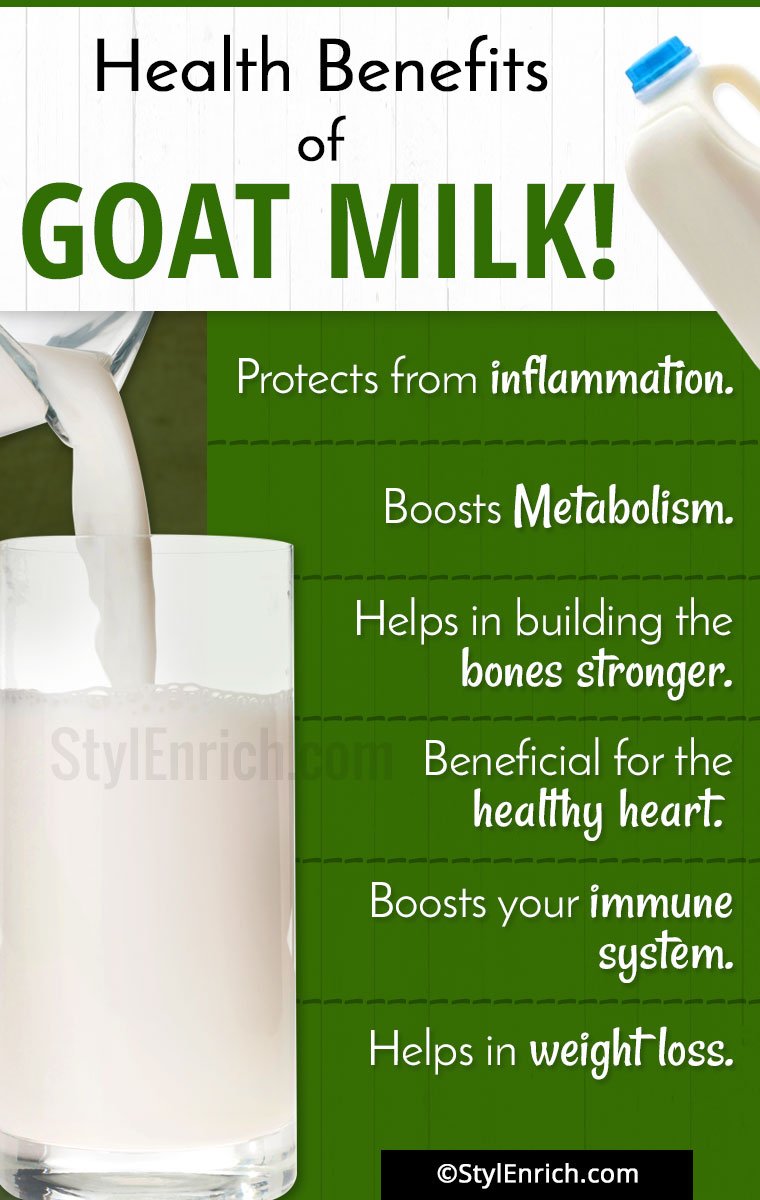
This comprehensive nutritional profile is the bedrock upon which goat milk builds its impressive array of health benefits. It’s a testament to nature’s ability to pack so much goodness into a single, accessible food source.
The Gentle Touch: Digestibility and Gut Health Unveiled
For many, the most immediate and profound benefit of switching to goat milk is its remarkable digestibility. In an age where digestive issues plague millions, goat milk offers a soothing balm, often allowing individuals to enjoy dairy without the discomfort previously experienced. This isn’t just anecdotal; it’s rooted in distinct physiological differences.
The primary culprits behind cow milk sensitivity for many are the size of its fat globules and the type of casein protein. Cow milk fat globules are larger and tend to coalesce, making them harder for digestive enzymes to break down. This can lead to a feeling of heaviness or bloating. Goat milk, by contrast, has smaller, more finely dispersed fat globules. Imagine trying to digest a large lump of butter versus a fine mist of oil – the latter is simply easier for your body to process. This structural difference means less work for your digestive system, leading to quicker and more complete digestion.
Then there’s the casein story. As mentioned, the predominant A2 beta-casein in goat milk forms a softer, looser curd in the stomach. Think of it like cottage cheese versus hard cheddar. The softer curd allows digestive enzymes to penetrate and break down the protein more efficiently. In contrast, the A1 beta-casein found in most conventional cow milk produces a denser, firmer curd, which can be more challenging to digest and potentially contribute to inflammation in sensitive individuals. For those who experience bloating, gas, or general gastrointestinal distress after consuming cow milk, goat milk often provides a welcome reprieve, allowing them to enjoy the nutritional benefits of dairy without the adverse side effects.
But the benefits for gut health extend beyond mere digestibility. Goat milk is a rich source of oligosaccharides, complex carbohydrates that are indigestible by human enzymes but serve as potent prebiotics. These oligosaccharides act as "food" for beneficial gut bacteria, such as Bifidobacteria and Lactobacilli. By fostering a thriving community of these good bacteria, goat milk helps to:
- Improve Gut Microbiome Diversity: A diverse and balanced gut microbiome is fundamental to overall health, influencing everything from digestion and immunity to mood and metabolism.
- Enhance Nutrient Absorption: A healthy gut lining and balanced flora are crucial for efficient absorption of vitamins, minerals, and other nutrients from food.
- Strengthen the Gut Barrier: Oligosaccharides and other compounds in goat milk can help maintain the integrity of the intestinal lining, preventing "leaky gut" (increased intestinal permeability) which is implicated in various inflammatory and autoimmune conditions.
- Modulate Immune Response: A significant portion of our immune system resides in the gut. By supporting a healthy gut environment, goat milk indirectly strengthens the immune system’s ability to defend against pathogens and regulate inflammatory responses.
For individuals suffering from conditions like Irritable Bowel Syndrome (IBS) or general gut sensitivities, incorporating goat milk can be a game-changer. It offers a gentle, nourishing alternative that supports the digestive system rather than challenging it, paving the way for improved comfort and long-term gut health.
The Immune Shield: Fortifying Your Defenses
In a world increasingly focused on immune resilience, goat milk emerges as a natural ally. Its unique nutritional profile provides a powerful arsenal of compounds that actively support and strengthen the body’s defense mechanisms.
First and foremost, the abundance of selenium, zinc, and vitamins A and D are critical for immune function. Selenium and zinc are potent antioxidants that protect immune cells from damage and are essential for the development and activity of various immune cells, including T-cells and natural killer cells. Vitamin A plays a crucial role in maintaining the integrity of mucosal barriers (like those in the gut and respiratory tract), which are the body’s first line of defense against pathogens. Vitamin D is a well-known immune modulator, helping to regulate both innate and adaptive immune responses.
The oligosaccharides in goat milk also play a pivotal role in immune modulation. These complex sugars are not just food for beneficial bacteria; they can also directly interact with immune cells in the gut. Some research suggests they can act as "decoys" for pathogens, preventing them from attaching to the gut lining, thereby reducing the risk of infection. Furthermore, by promoting a healthy gut microbiome, they indirectly support a robust immune system, as a significant portion of our immunity is regulated by our gut health.
Beyond these specific nutrients, the anti-inflammatory properties of goat milk contribute to a healthier immune response. Chronic inflammation can suppress immune function, making the body more susceptible to illness. The unique fatty acids and peptides in goat milk can help to reduce systemic inflammation, allowing the immune system to function optimally.
While goat milk is not a cure for allergies, its lower alpha-s1 casein content and easier digestibility can make it a better option for individuals prone to sensitivities. Some studies suggest that the consumption of goat milk, particularly during early life, may even play a role in reducing the risk of developing certain allergies, though more research is needed in this area. In essence, goat milk doesn’t just provide nutrients; it provides the building blocks and regulatory signals that empower your immune system to operate at its best.
The Strong Foundation: Building and Maintaining Bone Health
The importance of strong bones cannot be overstated. They provide structural support, protect vital organs, and serve as a reservoir for essential minerals. Goat milk stands out as an excellent food for bone health, offering a comprehensive package of minerals and vitamins crucial for maintaining skeletal integrity throughout life.
The stars of the show are, of course, calcium and phosphorus. Goat milk provides these in highly bioavailable forms, meaning your body can absorb and utilize them efficiently. But it’s not just about the quantity; it’s about the balance. Goat milk has an optimal calcium-to-phosphorus ratio, which is critical for proper bone mineralization. Without adequate phosphorus, calcium cannot be fully integrated into bone tissue.
Beyond these primary minerals, goat milk also provides significant amounts of magnesium, another vital player in bone health. Magnesium helps regulate calcium and vitamin D levels and is directly involved in bone matrix formation. A deficiency in magnesium can impair bone growth and increase the risk of osteoporosis.
Furthermore, goat milk contains Vitamin D, essential for calcium absorption in the gut and its subsequent deposition into bones. While sunlight is our primary source, dietary Vitamin D is crucial, especially in regions with limited sun exposure. When goat milk is fermented into products like kefir or certain cheeses, it can also become a source of Vitamin K2. This often-overlooked vitamin is a powerful ally for bone health, directing calcium to the bones and teeth while preventing its accumulation in soft tissues like arteries, where it can contribute to hardening.
For children, adolescents, and adults, particularly post-menopausal women who are at higher risk for osteoporosis, incorporating goat milk into the diet can be a proactive step towards building and maintaining robust bone density. Its superior mineral bioavailability ensures that the body receives the raw materials it needs to construct and repair its skeletal framework effectively.
The Pumping Heart: Supporting Cardiovascular Wellness
Heart disease remains a leading cause of mortality worldwide, making cardiovascular health a paramount concern. While often associated with animal fats, goat milk offers several unique properties that can contribute positively to heart health, challenging conventional wisdom.
One of the key players here are the Medium-Chain Triglycerides (MCTs). Unlike long-chain fatty acids that require more complex digestion and transport, MCTs are rapidly absorbed and metabolized by the liver, providing a quick source of energy. This can help reduce the body’s reliance on storing fat and may contribute to healthier lipid profiles. Some studies suggest that MCTs can help increase "good" HDL cholesterol and potentially lower "bad" LDL cholesterol.
Goat milk also contains Conjugated Linoleic Acid (CLA), a type of trans fat naturally found in dairy products from grass-fed ruminants. Research on CLA is ongoing, but it has shown promise in animal studies for its potential to reduce atherosclerosis (hardening of the arteries), improve lipid profiles, and exert anti-inflammatory effects, all of which are beneficial for heart health.
The high content of potassium in goat milk is another significant advantage. Potassium is a crucial electrolyte that plays a vital role in regulating blood pressure. It helps to counteract the effects of sodium, promoting proper fluid balance and reducing the strain on the cardiovascular system. A diet rich in potassium is often recommended for individuals with hypertension.
Furthermore, the overall nutritional balance of goat milk, with its array of antioxidants like selenium and Vitamin A, helps combat oxidative stress, which is a major contributor to cardiovascular disease. The anti-inflammatory compounds also play a role in reducing chronic inflammation, a known risk factor for heart conditions. While goat milk should be part of a balanced diet and not seen as a miracle cure, its unique fatty acid profile, mineral content, and antioxidant properties make it a valuable addition for those looking to support their heart health naturally.
The Outer Radiance: Nourishing Skin and Hair from Within
The adage "you are what you eat" rings particularly true when it comes to the health and appearance of our skin and hair. Goat milk, with its rich tapestry of nutrients, offers a powerful internal and external elixir for achieving that coveted glow.
From an internal perspective, the Vitamin A (retinol) in goat milk is crucial for cell turnover, promoting healthy skin cell production and repair. It also acts as an antioxidant, protecting skin cells from damage caused by free radicals and environmental stressors. Selenium and Vitamin E further bolster this antioxidant defense, safeguarding the skin against premature aging and supporting its natural healing processes. The healthy fats, including MCTs and essential fatty acids, contribute to skin hydration and elasticity, preventing dryness and maintaining a supple complexion. The easily digestible proteins provide the building blocks for collagen and elastin, the structural proteins that keep skin firm and youthful.
But goat milk’s benefits for skin and hair aren’t limited to internal consumption. It has long been celebrated as a cornerstone of natural skincare products.
- Alpha-Hydroxy Acids (AHAs): Goat milk naturally contains lactic acid, a gentle AHA. AHAs are renowned for their exfoliating properties, helping to remove dead skin cells, unclog pores, and reveal brighter, smoother skin. This natural exfoliation can improve skin texture, reduce the appearance of fine lines, and even out skin tone.
- Rich Moisture: The unique fatty acid profile and high concentration of vitamins and minerals make goat milk an exceptional moisturizer. When used topically in soaps, lotions, or creams, it helps to hydrate the skin, repair the skin barrier, and lock in moisture, leaving it soft, supple, and nourished.
- Anti-inflammatory Properties: For individuals with sensitive skin, eczema, psoriasis, or acne, the anti-inflammatory compounds in goat milk can provide soothing relief, calming irritation and reducing redness.
- Hair Health: Applied topically, goat milk can also benefit hair. Its proteins and fats can strengthen hair follicles, add shine, and moisturize the scalp, potentially reducing dandruff and promoting healthier hair growth.
Embracing goat milk, both in your diet and your skincare routine, is a holistic approach to nurturing your natural beauty, allowing your inner health to shine through.
The Balanced Equation: Metabolic Health and Weight Management
In the ongoing battle against metabolic disorders and the global challenge of weight management, goat milk offers a surprisingly potent tool. Its unique composition can play a supportive role in maintaining a healthy metabolism and facilitating sustainable weight goals.
One of the most significant contributors is the presence of Medium-Chain Triglycerides (MCTs). As discussed, MCTs are metabolized differently than longer-chain fats. They are quickly absorbed and transported directly to the liver, where they are converted into energy rather than being stored as fat. This rapid energy conversion can boost metabolism and increase calorie burning. Furthermore, MCTs have been shown to promote feelings of satiety, helping to reduce overall calorie intake by keeping you feeling fuller for longer.
The high-quality protein content of goat milk is also crucial for weight management. Protein is known for its satiating effect, reducing hunger and cravings. It also plays a vital role in muscle maintenance, which is essential for a healthy metabolism. The more muscle mass you have, the more calories your body burns, even at rest. By providing easily digestible and highly bioavailable protein, goat milk supports muscle synthesis and preservation, which is key for both weight loss and maintaining a healthy body composition.
Compared to some plant-based milk alternatives that can be high in added sugars and lower in protein, goat milk offers a nutrient-dense option that supports stable blood sugar levels. Its relatively lower glycemic index helps prevent sharp spikes and crashes in blood sugar, which can lead to increased hunger and fat storage.
By combining easily digestible energy from MCTs, satiating and muscle-building protein, and a rich array of vitamins and minerals that support overall metabolic function, goat milk can be a valuable component of a healthy eating plan aimed at weight management and improved metabolic health. It provides sustained energy and helps regulate appetite, making it easier to stick to dietary goals without feeling deprived.
The Inner Calm: Anti-Inflammatory and Antioxidant Properties
Chronic inflammation and oxidative stress are silent enemies, underlying a vast array of modern diseases, from heart disease and diabetes to autoimmune conditions and neurodegenerative disorders. Goat milk possesses inherent properties that actively combat these cellular threats, fostering an environment of inner calm and resilience.
The presence of powerful antioxidants like selenium, Vitamin A, and Vitamin E is central to its anti-inflammatory and antioxidant capabilities. These compounds work synergistically to neutralize free radicals, unstable molecules that cause cellular damage and contribute to oxidative stress. By reducing oxidative stress, goat milk helps protect cells, tissues, and DNA from harm, thus lowering the risk of chronic diseases.
Beyond these well-known antioxidants, specific fatty acids and peptides within goat milk also contribute to its anti-inflammatory profile. Certain unique fatty acids can modulate the body’s inflammatory pathways, helping to dampen excessive or chronic inflammatory responses. The unique casein structure and the presence of beneficial oligosaccharides also play a role in gut health, and as we’ve established, a healthy gut is intimately linked to a regulated immune response and reduced systemic inflammation. When the gut barrier is strong and the microbiome is balanced, the body is less prone to chronic low-grade inflammation.
The combination of these elements makes goat milk more than just a nutritious beverage; it becomes a functional food that actively supports the body’s natural defenses against the ravages of inflammation and oxidative damage. Incorporating it into a regular diet can be a proactive step towards fostering long-term health and reducing the risk of developing chronic conditions.
Beyond the Glass: Culinary Versatility and Modern Integration
While the health benefits of drinking goat milk are profound, its utility extends far beyond a simple glass. Goat milk is incredibly versatile in the kitchen, opening up a world of culinary possibilities that allow you to easily integrate its goodness into your daily diet.
Think of the rich tapestry of goat milk products available:
- Goat Cheese: From fresh, tangy chèvre to aged, firm varieties, goat cheese offers a diverse flavor profile and is a staple in many gourmet kitchens. It’s an excellent source of protein, calcium, and healthy fats, perfect for salads, sandwiches, or cheese boards.
- Goat Yogurt & Kefir: Fermented goat milk products like yogurt and kefir are powerhouses of probiotics, further enhancing the gut health benefits. They are creamy, tangy, and can be enjoyed plain, with fruit, in smoothies, or as a base for savory sauces and dressings. Kefir, in particular, often contains an even wider array of beneficial bacteria and yeasts, and its unique fermentation process can further reduce lactose content, making it exceptionally digestible.
- Goat Butter: While less common, goat butter is available and offers a distinct flavor, often described as slightly nuttier than cow butter. It can be used in any application where you would use regular butter.
- Goat Ice Cream: For a delightful treat, goat milk ice cream provides a creamy, rich dessert option that is often easier to digest for those sensitive to cow dairy.
Incorporating goat milk into your diet can be as simple as:
- Switching your morning coffee or tea: Enjoy a creamier, richer beverage with goat milk.
- Baking: Use goat milk in recipes for pancakes, muffins, bread, or casseroles. Its subtle sweetness and richness can enhance many dishes.
- Smoothies: Blend goat milk with fruits, vegetables, and other superfoods for a nutrient-packed meal or snack.
- Cooking: Use it as a base for creamy soups, sauces, or mashed potatoes.
The possibilities are endless, allowing you to seamlessly weave the amazing health benefits of goat milk into your lifestyle without sacrificing flavor or culinary enjoyment.
Addressing Misconceptions and Embracing Sustainability
Despite its impressive profile, goat milk still faces some common misconceptions that prevent many from embracing it.
Misconception 1: "It tastes too strong/goaty."
This is perhaps the most pervasive myth. While some traditional goat milk (especially from specific breeds or improperly handled milk) can have a stronger flavor, modern pasteurized and homogenized goat milk, particularly from commercial dairies, is often surprisingly mild, clean, and slightly sweet. The taste can vary depending on the breed of goat, their diet, and the processing methods, but many people find it pleasant and easily adaptable. For those sensitive to the taste, starting with flavored yogurts or mixing it into smoothies can be a good entry point.
Misconception 2: "It’s hard to find."
While perhaps not as ubiquitous as cow milk, goat milk and its products are increasingly available in mainstream grocery stores, health food stores, and farmers’ markets. The growing demand for dairy alternatives and easily digestible options has led to wider distribution.
Misconception 3: "It’s not sustainable."
Goats are often heralded as more sustainable livestock than cows. They require less land and water, have a lighter environmental footprint, and are excellent browsers, meaning they can thrive on diverse forage that cows often can’t utilize. This makes them particularly well-suited for smaller, more sustainable farming operations. Supporting local goat dairies can further enhance the environmental and economic benefits.
Embracing goat milk is not just about personal health; it can also be a step towards supporting more sustainable and ethical agricultural practices. By choosing goat milk, you are tapping into an ancient wisdom that aligns with modern values of health, sustainability, and mindful consumption.
The Full Circle: A Call to Rediscovery
Our journey through the world of goat milk has taken us from the dawn of civilization to the cutting edge of nutritional science. We’ve explored its rich history, dissected its intricate nutritional blueprint, and uncovered its profound benefits for digestion, immunity, bone health, cardiovascular wellness, skin, hair, and metabolic balance. We’ve seen how this humble, ancient food can be a gentle yet powerful ally in our modern quest for well-being.
In an era of over-processed foods and complex dietary restrictions, goat milk stands as a testament to the power of simplicity and nature’s wisdom. It offers a bridge to a healthier past, providing a familiar comfort with extraordinary benefits. For those seeking an alternative to cow milk, for individuals grappling with digestive sensitivities, or for anyone simply looking to enhance their nutritional intake with a wholesome, natural food, goat milk presents a compelling case.
It’s time to re-evaluate our perceptions, to move beyond the conventional, and to open ourselves to the quiet strength of this remarkable dairy. The "go-to guide" isn’t just a collection of facts; it’s an invitation to a rediscovery, a gentle nudge towards unlocking a more vibrant, balanced, and nourished life, one glass of goat milk at a time. Embrace this ancient secret, and let its amazing health benefits become a cornerstone of your personal wellness story.